Updated 24 July 2026 · By Old Bangers Editorial
Quick answer: For most cars, in 2026, no — not as a reliable way to make money. Hagerty’s 2026 UK analysis shows roughly 80% of tracked classic values fell or stood still over the year, with traditional British classics at multi-year lows. A minority of desirable cars — the right modern classics, documented special variants — have risen, but ownership costs (servicing, storage, insurance) quietly eat into any paper gain. The sensible way to look at a classic is as a car to enjoy that might hold or grow its value, not as an investment fund with a steering wheel. This is general information, not financial advice.
“Are classic cars a good investment?” is one of the most-asked questions in the hobby, and the honest answer is more interesting than the headlines suggest. This guide sets out what the market data actually shows in 2026, using our own live listings and Hagerty’s published indices, and where the returns — such as they are — really come from.
What the 2026 market data shows
The clearest picture comes from Hagerty’s UK market analysis, and it is a story of two halves:
| Segment | 2026 direction |
|---|---|
| Overall market | Roughly 80% of tracked values fell or were static over the year |
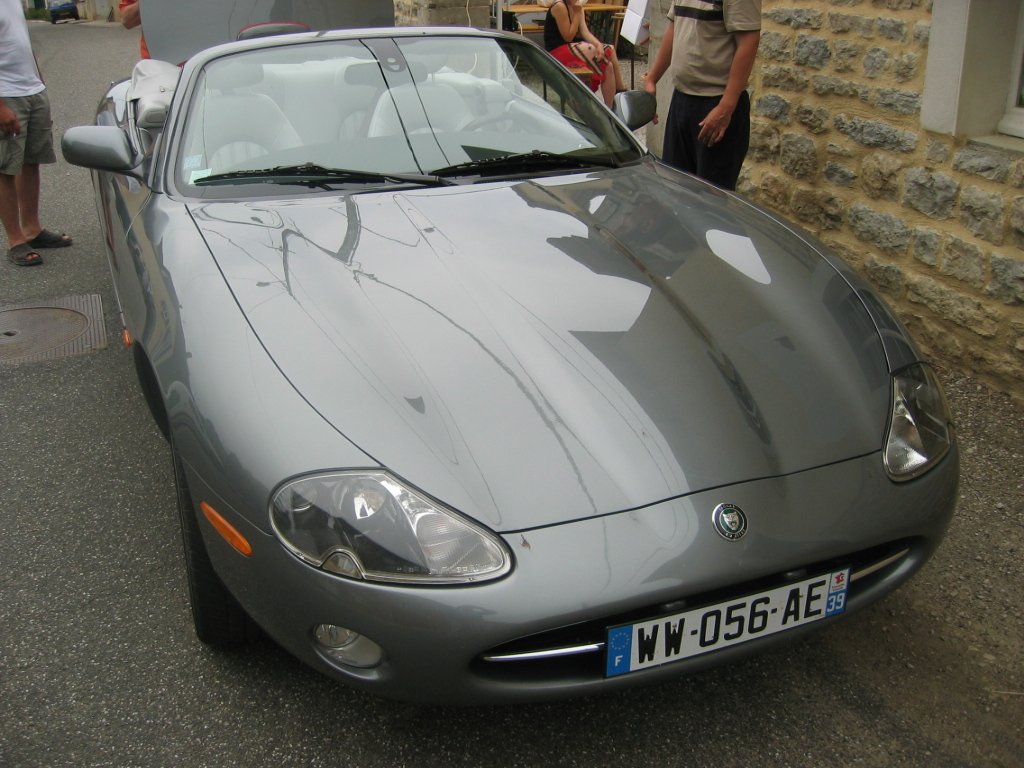
| Traditional British classics | Down — the “Best of British” index at its lowest since it began in 2018; Jaguar off around 21% year-on-year |
| Modern classics (1980s–2000s hot hatches, youngtimers) | Up — the Hot Hatch and RADwood-era indices showed meaningful growth |
| Buyers | Younger enthusiasts entering the hobby, shifting demand toward the cars they grew up with |
In other words, there is no single “classic car market” moving as one. The post-pandemic price spike has normalised, the froth has come off the top, and money is rotating from older blue-chip classics toward affordable modern classics. That’s a market finding its level, not a boom. We look at that in detail in is there a classic car price crash?
The cost drag most “investment” talk ignores
Even a car that holds its price isn’t free to own, and this is where paper gains disappear. Servicing, parts, storage, classic insurance and the occasional big bill all run continuously. Hagerty suggests budgeting £1,500–£2,000 a year in servicing and repairs for a healthy Porsche 996, for example — so a car that “went up £2,000” over three years may have cost far more than that to keep during the same period. Unlike shares, a classic charges you rent for the privilege of holding it.
Our own data shows how flat the middle of the market can be. The Porsche Boxster 986, mechanically related to the appreciating 996, is a telling example: its live UK asking prices in 2026 still sit inside the value bands a respected buyer’s guide published back in 2019. Seven years, effectively no appreciation — and every one of those years carried running costs.
Where returns actually come from (when they come at all)
The cars that have rewarded owners share a pattern, and it’s not “any old classic”:
Documentation and condition. Across every model in our price guide, the gap between the best and worst examples is enormous. The appreciation, where it exists, accrues to the best-documented, most original cars — not the cheap project that needs everything.
The desirable variant, bought right. Special versions — a GT3 over a base Carrera, an S over a standard car, a manual over an automatic — have generally held up better than mainstream models. But they cost more to buy, so the entry price already reflects much of the upside.
Being early to a rising segment. The modern classics now climbing were cheap not long ago. The returns went to people who bought the car they loved before the market noticed — which is very different from buying because something is already hot.
So how should you think about it?
Treat a classic as a thing to use and enjoy, chosen because you actually want it, with any appreciation as a bonus rather than the plan. On that basis a classic can be a wonderful “asset” — you get years of driving pleasure that a share certificate can’t offer, and you may get much of your money back. Bought purely to profit, against costs, illiquidity and a market where most values are flat or falling, it’s a speculative bet dressed up as a hobby. If you do want to track the market seriously, our price guide and model pages show live values and how we calculate them, and our methodology page explains the evidence behind every figure.
See what the cars are actually worth
Live UK values across popular enthusiast cars, updated from real listings — decide with data, not hype. See our monthly price tracker for the market-wide numbers.
Classic cars as an investment: FAQs
Are classic cars a good investment in 2026?
For most cars, not as a reliable way to make money. Hagerty’s 2026 UK data shows around 80% of tracked values fell or were static, with traditional British classics at multi-year lows, while a minority of desirable modern classics rose. Running costs also erode any gain. Treat a classic as a car to enjoy that might hold value, not as an investment. This is general information, not financial advice.
Which classic cars are actually going up in value?
In 2026 the momentum is with 1980s–2000s modern classics — hot hatches and youngtimers — and with the best-documented, most original examples and desirable variants of any model. Traditional pre-1975 British classics have generally softened. Even in rising segments, condition and history decide whether an individual car appreciates.
Do running costs cancel out any profit on a classic car?
They can, and often do on mid-market cars. Servicing, parts, storage and insurance run every year whether or not the car appreciates — Hagerty budgets £1,500–£2,000 a year for a healthy Porsche 996, for instance. A modest paper gain over several years can be wiped out by the cost of ownership across the same period.
Is it better to buy a classic to enjoy or to invest?
The evidence points strongly to buying one you genuinely want to use, with appreciation as a bonus. Most values are flat or falling, classics are illiquid and costly to hold, and the cars that have rewarded owners were usually bought out of enthusiasm before a segment became fashionable — not as a calculated trade.
Free download: The 2026 Future Classics Watchlist
20 modern classics tipped to rise — with indicative prices and exactly what to check on each. Enter your email for the PDF.