Updated 24 July 2026 · By Old Bangers Editorial
Quick answer: There isn’t a broad classic car “crash” in 2026 — it’s a correction, and an uneven one. After the 2020–2022 pandemic boom, prices have normalised: Hagerty’s 2026 UK data shows roughly 80% of tracked values fell or stood still over the year, with traditional British classics down to multi-year lows — but 1980s–2000s modern classics have actually risen. So “is the market crashing?” has no single answer: the top of the old blue-chip market has softened while affordable modern classics are firm. For buyers of the right car, that’s an opportunity, not a disaster.
“Classic car price crash” is a frightening phrase, and it gets used loosely whenever the market cools. This guide separates the headline from the data — what’s actually happening to UK values in 2026, whether it deserves the word “crash”, and what it means depending on whether you’re buying or selling. It’s a companion to our look at whether classic cars are a good investment.
What’s actually happening to prices
The mechanism is straightforward: a boom, then a return to earth. Through 2020–2022, lockdown savings, low interest rates and a rush to tangible assets pushed classic values up sharply. Since then, that froth has come off. Hagerty’s 2026 UK analysis describes post-pandemic inflation as having normalised, with roughly 80% of tracked values now flat or down year-on-year. That’s a correction after an unusual spike — not a collapse from a stable baseline.
Is it really a “crash”? Not across the board
A crash implies a broad, sharp fall. What the 2026 data actually shows is a split market:
| Segment | 2026 direction |
|---|---|
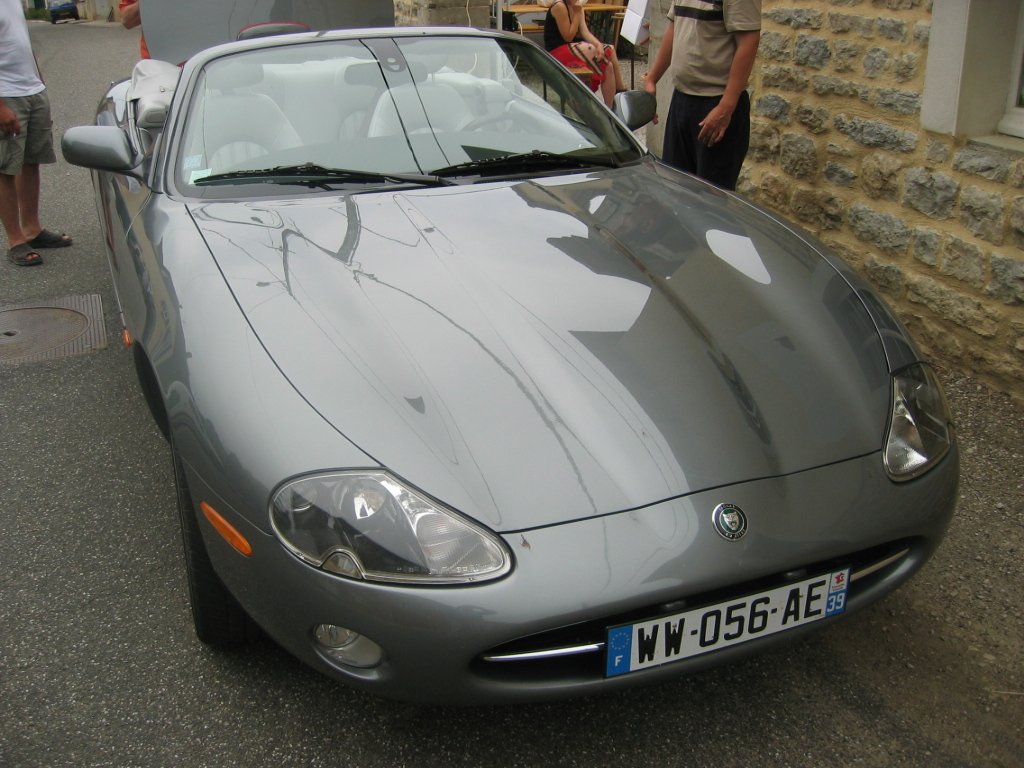
| Traditional British blue-chip classics | Down hard — Hagerty’s “Best of British” index at its lowest since it began in 2018; Jaguar off around 21% year-on-year |
| Mid-market classics generally | Flat to softening — most values static or gently down |
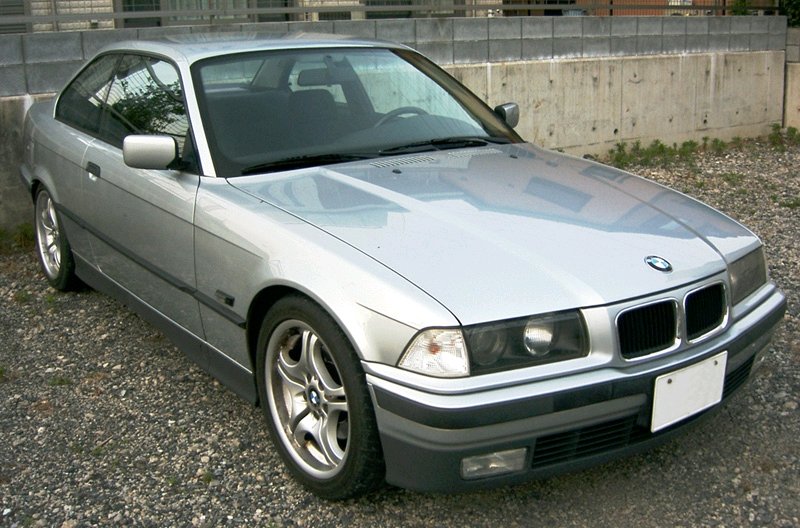
| 1980s–2000s modern classics (hot hatches, youngtimers) | Up — the Hot Hatch and RADwood-era indices grew |
| Project and undocumented cars | Weakest — cheap cars that need everything are hardest to sell |
So the honest headline isn’t “classic cars are crashing” — it’s “the expensive end has corrected while the affordable, younger end is rising.” The single biggest driver is demographic: younger buyers are entering the hobby and spending on the cars they grew up with, pulling demand toward 1990s and 2000s machinery and away from pre-1975 classics.
What it means if you’re buying
For a buyer of the right car, a softer market is good news. Blue-chip classics that looked untouchable in 2022 are more attainable, and there’s less competition and less pressure to overpay. The rules don’t change, though: the best-documented, most original cars still command strong money and are the safest buys, while the cheapest project cars are cheap for a reason. Buy on condition and history — our price guide shows the live spread for each model — and a correction is a chance, not a warning.
What it means if you’re selling
Price to the market as it is now, not as it was at the 2022 peak. A well-presented, documented car still sells; an optimistically-priced average one sits. Recorded sold results matter more than wishful asking prices here — the gap between the two has widened as the market cooled.
Will prices fall further or recover?
Nobody knows, and anyone who says otherwise with certainty is guessing. What the evidence supports is that this looks like a normalisation after an unusual boom rather than a structural collapse, and that the modern-classic segment has genuine, demographically-driven demand behind it. Beyond that, treat forecasts with caution — this is general information, not financial advice, and a classic is a car to enjoy first. We’ll keep tracking the live numbers on our price guide and model pages so you can watch the market with data rather than headlines. Our monthly price tracker shows the whole-market figures.
Watch the market with data, not headlines
Live UK values across popular enthusiast cars, updated from real listings.
Classic car price crash: FAQs
Is there a classic car price crash in 2026?
Not a broad crash — a correction, and an uneven one. Hagerty’s 2026 UK data shows around 80% of tracked values flat or down after the 2020–2022 boom, with traditional British classics at multi-year lows, but 1980s–2000s modern classics have risen. It’s a market normalising and splitting, not collapsing across the board.
Why are classic car prices falling?
Mainly because the pandemic-era boom has normalised, and because demand is shifting generationally. Younger buyers are entering the hobby and spending on 1990s–2000s cars, so older pre-1975 blue-chip classics have softened while modern classics have firmed. Cheap, undocumented project cars are the weakest part of the market.
Which classic cars are dropping in value the most?
Traditional British blue-chip classics have fallen hardest — Hagerty’s “Best of British” index is at its lowest since 2018, with Jaguar off around 21% year-on-year in its 2026 analysis. Undocumented project cars of any make are also weak. Well-documented modern classics have generally held or risen.
Is now a good time to buy a classic car?
For a buyer of the right car, a softer market means better value and less competition, especially on blue-chip classics that had run up in the boom. Buy on condition and documentation rather than the lowest price. This is general information, not financial advice.
Free download: The 2026 Future Classics Watchlist
20 modern classics tipped to rise — with indicative prices and exactly what to check on each. Enter your email for the PDF.