Updated 24 July 2026 · By Old Bangers Editorial
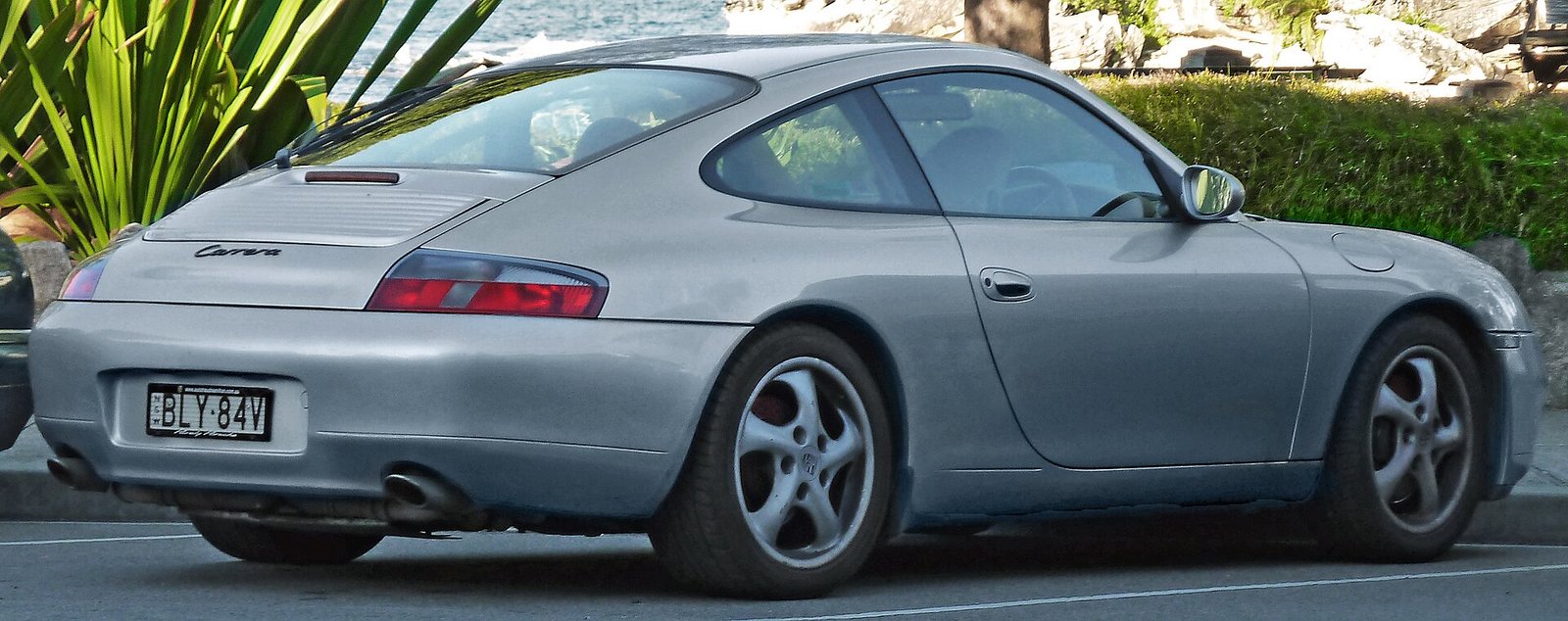
Short answer: The 996 (1998–2005) and 997 (2005–2012) are the first two water-cooled 911 generations, and the 997 fixed most of what people criticised about the 996 — the styling (round headlights returned) and the cabin quality. Crucially, the later 997.2 (2009 on) also fixed the engine: its new direct-injection unit dropped the IMS bearing entirely. The 996 remains the cheapest way into a water-cooled 911 — median asking about £22,000 on Old Bangers — while the 997 sits higher at around £36,000. Buy the 996 for value; buy a 997.1 for the looks at a lower price than a 997.2; buy a 997.2 if you can, because it removes the IMS worry.
If you’re shopping the affordable end of the modern 911, the 996 and 997 are the two generations you’ll cross-shop — and the choice is really about how much of the 996’s compromise you’re willing to accept for the money you save. Here’s how they compare, with live UK prices from our own database.
996 vs 997 at a glance
| Porsche 911 (996) | Porsche 911 (997) | |
|---|---|---|
| Years | 1998–2005 | 2005–2012 (997.1 / 997.2) |
| Headlights | “Fried-egg” shared with Boxster | Round, 911-traditional |
| Carrera engine | 3.4 (300 PS) · 3.6 (320 PS, from 2002) | 3.6 (325 PS) · 3.8 S (355 PS); 997.2 345/385 PS |
| Engine type | M96 | 997.1: M96/M97 · 997.2: new 9A1 direct-injection |
| IMS bearing risk | Yes (Carrera) | 997.1: yes · 997.2: no |
| Median asking (live) | £21,995 | £35,995 |
| Live price range | £11,000 – £45,995 | £17,500 – £84,995 |
Live UK market — 24 July 2026
911 (996-era): 25 priced listings, median asking £21,995 (range £11,000–£45,995)
911 (997-era): 25 priced listings, median asking £35,995 (range £17,500–£84,995)
Live asking-price medians from Old Bangers listings on the date shown, duplicates removed. Both ranges include higher-value S, 4S and low-mileage cars at the top end; entry-level Carreras sit near the bottom.
What the 997 improved
The 996 was a landmark car — the first water-cooled 911 — but it was built to a price, and it showed. It shared its front-end styling and much of its interior with the cheaper Boxster, and the “fried-egg” headlights divided opinion. The 997, launched in 2005, addressed both: the round headlights returned, the cabin was noticeably richer, and the whole car felt a class above. Mechanically the early 997.1 Carrera used developments of the same M96/M97 flat-six, with 3.6 (325 PS) and 3.8-litre Carrera S (355 PS) versions.
The bigger leap came in 2009 with the 997.2 facelift. Porsche fitted an all-new direct-injection engine (the 9A1 family), raising power to around 345 PS (3.6) and 385 PS (3.8 S) and — most importantly for buyers — eliminating the intermediate shaft (IMS) bearing that had worried 996 and 997.1 owners. The redesign also reduced the bore-scoring risk, and the 997.2 introduced Porsche’s PDK dual-clutch gearbox. In short: the 997.2 is the version that fixed the water-cooled 911’s biggest reliability question mark.
How to choose
The 996 is the value pick and the cheapest genuine 911 of the modern era. Buy on condition and, ideally, with a documented IMS solution. See our 996 price guide for what to pay.
The 997.1 gives you the better looks and interior of the 997 for less than a 997.2, but it shares the same engine-family concerns as the 996 — so the same pre-purchase caution applies.
The 997.2 is the one to stretch for if your budget allows: the newer engine removes the IMS worry, adds power, and brings PDK. It commands the highest prices of the three, and it’s arguably worth it for the peace of mind.
Whichever generation, a specialist pre-purchase inspection is essential, and history matters more than colour or spec. If you’re also weighing up a cheaper Porsche, our Boxster 986 vs 911 996 guide covers the entry point.
See what each one is worth
Live values, common faults and what to pay — the water-cooled 911s in detail.
996 vs 997: FAQs
Is the 997 better than the 996?
In most respects, yes. The 997 brought back the traditional round headlights, improved the interior quality, and felt a step above the 996. The later 997.2 (2009 on) also fitted a new direct-injection engine that removed the IMS bearing concern. The 996’s advantage is price: it’s the cheapest water-cooled 911 and represents strong value if you buy a good one.
Does the 997 have the IMS bearing problem?
Only the early 997.1 (2005–2008), which uses developments of the M96/M97 engine shared with the 996 Carrera. The 997.2 (2009 on) uses an all-new direct-injection engine with no IMS bearing, so it isn’t affected. The Turbo and GT models across both generations use the separate Mezger engine and were never affected either.
How much more is a 997 than a 996?
On Old Bangers as of 24 July 2026, the median asking price is about £22,000 for a 996-generation 911 and about £36,000 for a 997 — so a 997 typically costs roughly £14,000 more. Within the 997 range, later 997.2 cars command the highest prices, partly because of their improved engine.
Which water-cooled 911 should I buy?
If budget is the priority, the 996 is the value choice — buy the best example with a known history. If you want the better looks and cabin, a 997.1 sits in the middle. If you can afford it and want to avoid the IMS question entirely, the 997.2 is the strongest all-round buy. A specialist inspection is essential on any of them.
Free checklist: The Classic Car Buyer’s Inspection Checklist
Print it and take it to the viewing — rust hotspots, MOT-history red flags, paperwork and the 8 walk-away signs. Enter your email and we’ll send you the PDF.