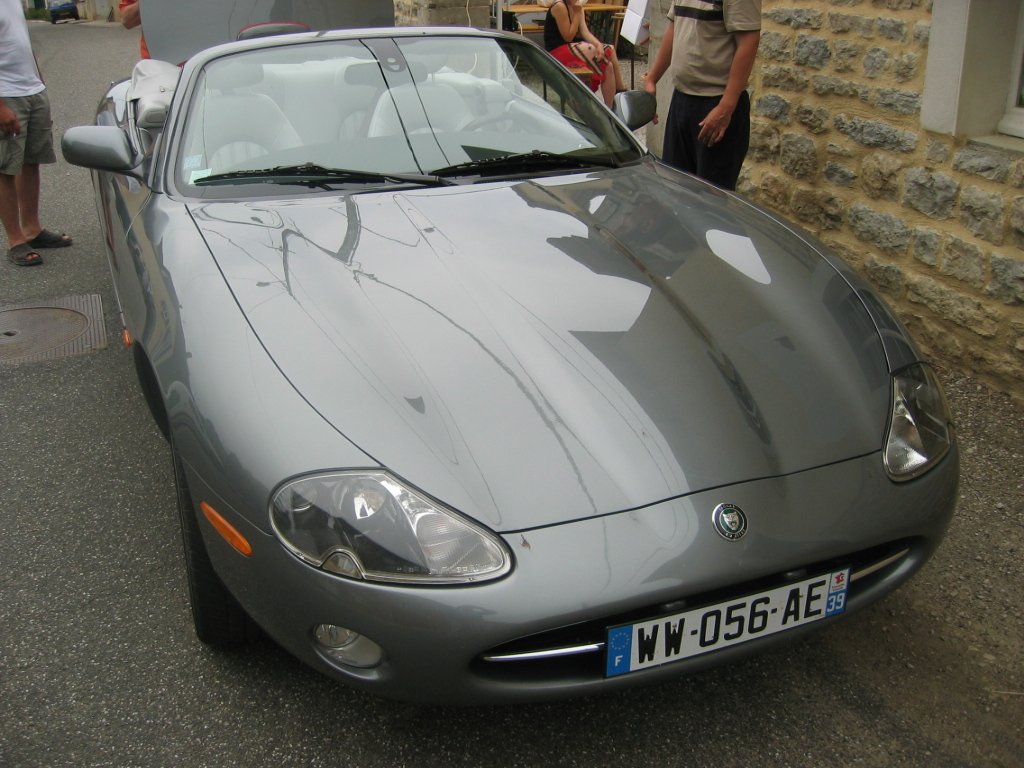
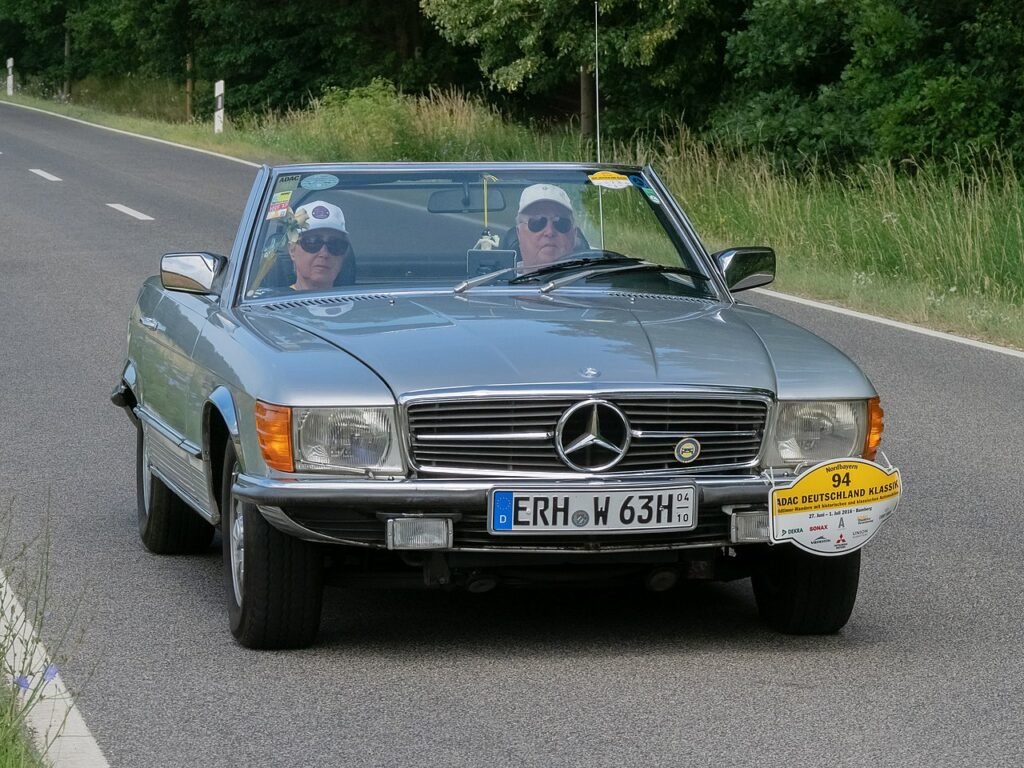
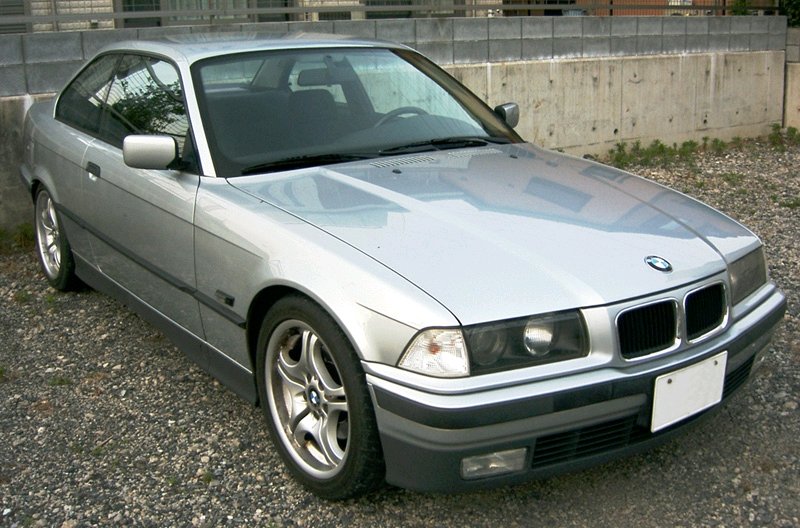
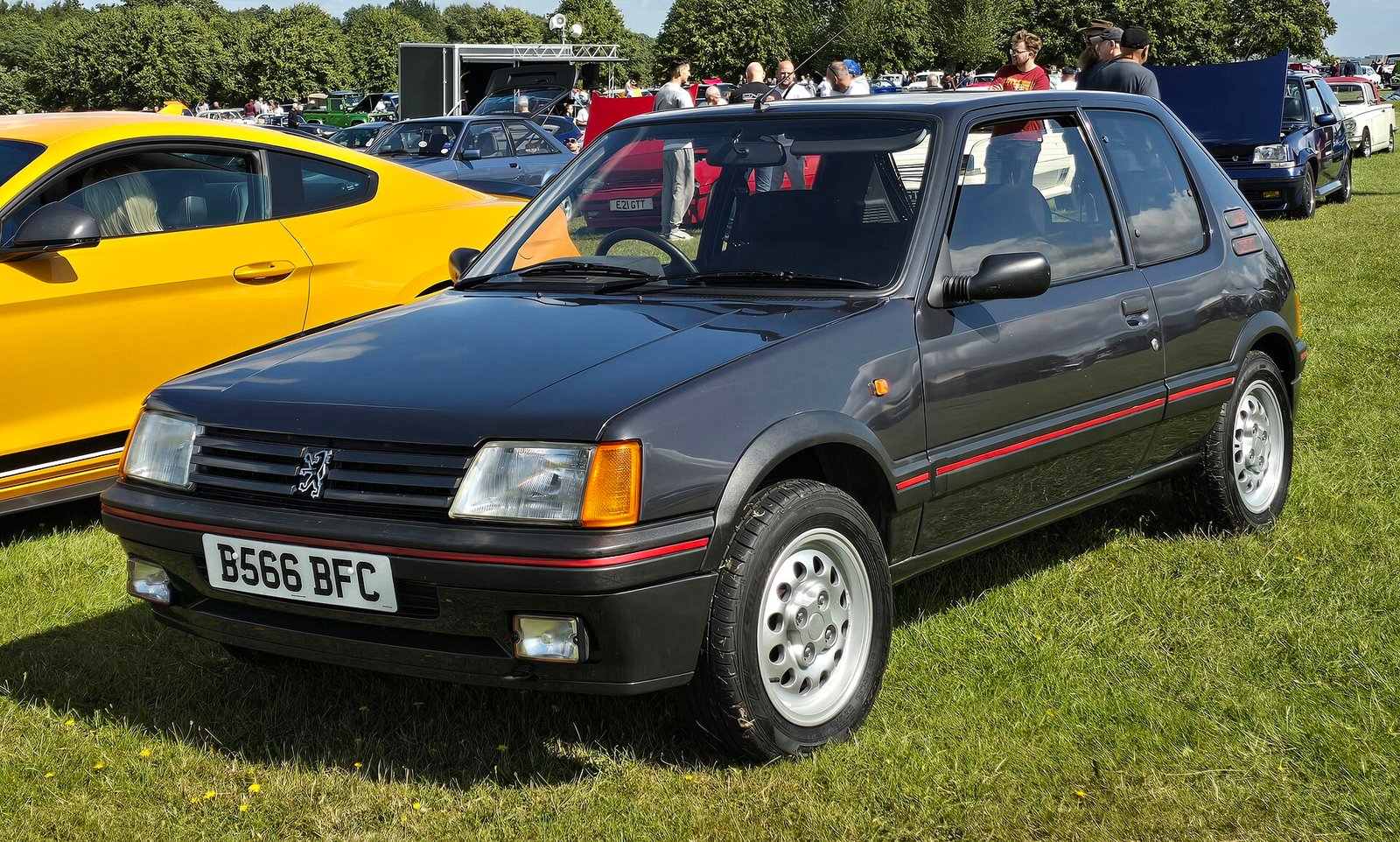
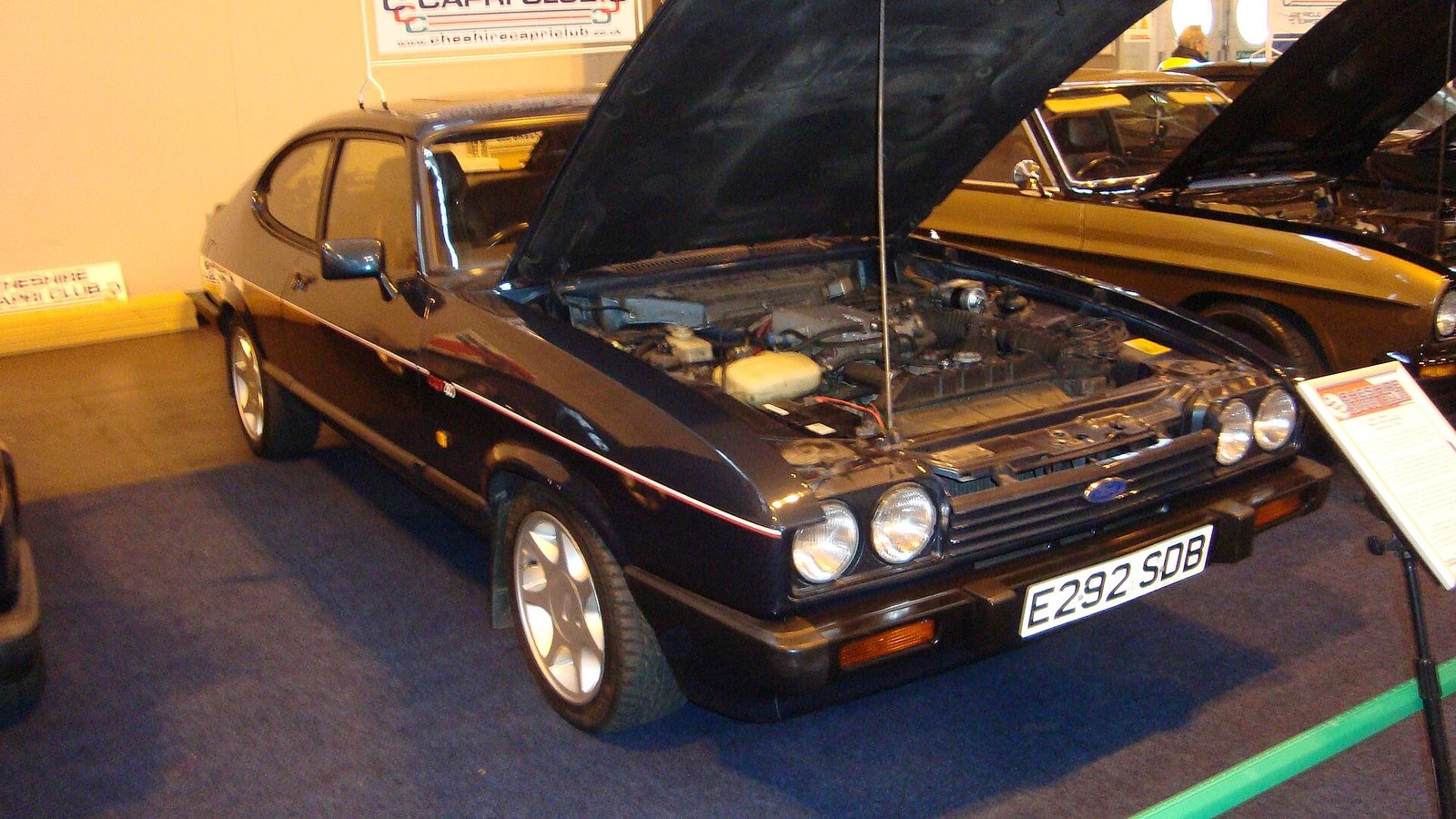
Every 1 April, a fresh wave of cars crosses an invisible line. One day they’re just old cars costing you a couple of hundred pounds a year in road tax; the next they’re officially “historic vehicles” — zero vehicle tax, no compulsory MOT, and a free pass into London’s ULEZ. In 2026, that line sits at 1986: the year of the Peugeot 205 GTI in its prime, the Sierra RS Cosworth’s debut and the last of the Capris.
The rules behind all this — the so-called 40-year rule — are simple in principle and fiddly in practice. The tax exemption and the MOT exemption work on different dates. Neither happens automatically. And there’s a ULEZ trap that catches out owners of perfectly eligible cars every single day. Here’s the whole thing, straight from the DVLA and TfL rulebooks, in plain English.
Quick answer: If your car was built before 1 January 1986 (or first registered before 8 January 1986, where the build date isn’t recorded), you can stop paying vehicle tax from 1 April 2026 — but you must apply at a Post Office to move it into the “historic” tax class; it doesn’t happen by itself. MOT exemption is separate: it applies on a true rolling basis once the car is 40 years old, provided it hasn’t been “substantially changed” in the last 30 years.
How the 40-year rule actually works
The UK exempts “historic vehicles” from Vehicle Excise Duty (VED — road tax, to everyone else). The cut-off rolls forward by one year every 1 April. The current position, per gov.uk:
- Vehicle built before 1 January 1986 → you can stop paying vehicle tax from 1 April 2026.
- If you don’t know when it was built, but it was first registered before 8 January 1986, the same applies.
Two details people miss. First, the qualifying date is about when the car was built, not registered — useful for cars registered months after manufacture, and for imports first registered in the UK long after they left the factory (the DVLA goes by build date where it’s evidenced). Second, even once exempt, the car must still be “taxed” every year — you apply for tax as normal, the amount is simply £0. Skip it and you’re driving an untaxed car.
| Car built before… | Free road tax from… | Status |
|---|---|---|
| 1 January 1985 | 1 April 2025 | Already eligible |
| 1 January 1986 | 1 April 2026 | Newly eligible now |
| 1 January 1987 | 1 April 2027 | Expected next, if the rolling system continues as it has every year since 2015 |
| 1 January 1988 | 1 April 2028 | Expected |
A little history explains the odd design. The exemption was frozen at 1 January 1973 for years — which is why “pre-’73” still means something in classic circles — until Budget 2013 nudged it to 1974, and Budget 2014 introduced the automatic 40-year rolling mechanism from 1 April 2015. It has advanced by a year, every year, since. Note “expected” in the table above: each year’s advancement is how the legislation is designed to work, but a future Budget could always change it — more on the perennial scrap-the-exemption rumours in the FAQ below.
How to apply (it is not automatic)
This is the step that trips up more owners than anything else. Crossing the 40-year line does nothing by itself — your car stays in its current tax class, paying full rate, until you apply to move it into the historic class. Per gov.uk, you apply at a Post Office that deals with vehicle tax, taking:
- The log book (V5C) in your name — if you haven’t got one, a completed V62 application and the £25 fee;
- Your V11 tax reminder, if you have one;
- Evidence of a current MOT (certificate or MOT history printout) — or, if the car is MOT-exempt, a completed V112 declaration form.
The Post Office sends your V5C off to the DVLA, who return an updated log book showing the historic tax class, plus a refund of any full months of tax you’d already paid. If the refund hasn’t landed within six weeks of the new log book arriving, chase the DVLA. And if you’re using the car in the meantime, keep it taxed — the application doesn’t cover you on its own.
MOT exemption: the 40-year rule’s confusing twin
The MOT exemption sounds like the same rule but isn’t. A car qualifies as a Vehicle of Historic Interest (VHI) — and can skip the annual MOT — when, per the official criteria:
- it was built or first registered more than 40 years ago, and
- it has had no “substantial changes” in the last 30 years.
Unlike the tax exemption, this one rolls continuously — there’s no waiting for 1 April. A car built in June 1986 becomes MOT-exempt in June 2026, but keeps paying road tax until 1 April 2027. That mismatch — MOT-free months before it’s tax-free — confuses owners every year, and it’s why the Post Office asks for either an MOT or a V112 when you apply for the tax class.
What counts as “substantially changed”?
The DVLA’s guidance looks at the main components. Broadly:
| Component | Fine (not substantial) | Substantial change |
|---|---|---|
| Chassis / monocoque | Replacement to the same pattern as original | Different chassis or bodyshell design |
| Axles & running gear | Improvements for efficiency, safety or environmental performance | Changing the type of suspension or steering |
| Engine | Alternative cubic capacities of the same basic engine; alternative original-equipment engines of the period | A fundamentally different engine (that 1JZ-swapped Volvo is taking the MOT) |
Changes made in period (demonstrably contemporary with the car’s production era), changes made because original parts simply aren’t available, and changes made during a vehicle’s commercial life all generally escape the “substantial” label. Some vehicles can never claim exemption regardless of age: kit cars built from multiple manufacturers’ parts, kit conversions, Q-plated vehicles, and large goods vehicles used laden.
Declaring is self-certification: you fill in form V112 (V112G for big stuff) when taxing the vehicle. Nobody inspects the car — which also means the responsibility is entirely yours. If you can’t honestly say the car is unmodified within the rules, you must keep MOTing it.
Should you still MOT it anyway?
Our opinion, clearly labelled as such: yes, in most cases. An MOT is a £50-ish annual once-over by someone with a ramp, a brake tester and no emotional attachment to your car. Plenty of owners of exempt cars keep testing voluntarily — a continuous MOT history is also one of the first things a smart buyer looks for, and a car with recent passes is simply easier to sell for strong money. When you browse the sold prices on this site, you’ll notice tidy, documented cars consistently out-perform equivalent cars without history. Skipping the test saves £50 and can cost you far more at sale time.
ULEZ and Clean Air Zones: the trap that catches everyone
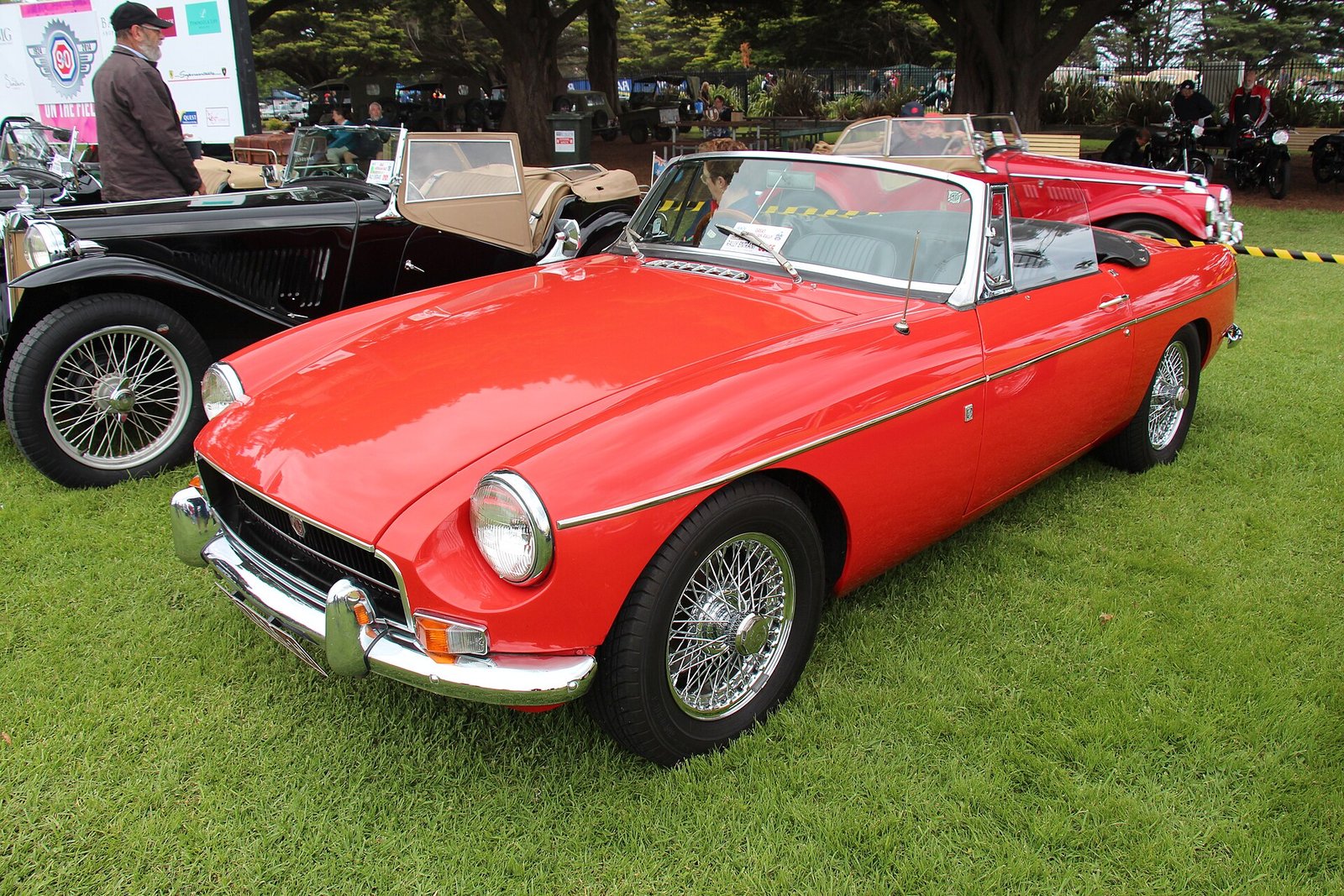
Here’s the one that generates the angry forum threads. London’s ULEZ has two separate classic-car exemptions, per TfL:
- Historic tax class: any vehicle registered in the historic vehicle tax class is exempt — except vehicles used commercially (TfL gives the example of coffee and street-food vans).
- Pre-1973 blanket rule: all vehicles built before 1 January 1973 are exempt regardless of use, commercial or not.
The trap: exemption number one follows the tax class, not the age of the car. A 1985 car that’s never been moved into the historic class — still registered as a normal private light goods vehicle — is over 40 years old and still liable for the daily ULEZ charge. Age alone does nothing. If you’ve just become eligible under the 40-year rule and you ever drive into London, the Post Office application above isn’t just saving you road tax; it’s saving you £12.50 a day. UK-registered historic-class vehicles are recognised automatically — no registration with TfL needed (non-UK-registered classics must register with TfL before travelling).
Outside London, the picture is city-by-city. The national Clean Air Zone framework used by cities like Birmingham, Bristol, Bath, Bradford and Sheffield also exempts historic-tax-class vehicles, but some cities handle it via their own exemption applications, and Scotland’s Low Emission Zones (Glasgow, Edinburgh, Aberdeen, Dundee) run their own schemes. If you’re planning a trip in a newly-exempt classic, check the specific city’s scheme first — don’t assume London’s rules travel.
What the 40-year line does to values
Does a car’s value jump when it crosses into historic status? The honest answer: it’s one nudge among many, not a magic switch. Free tax and ULEZ access genuinely widen the pool of potential buyers — particularly for usable everyday classics in and around London — and cars from a “newly exempt” model year often get a burst of attention each spring as the tax-exemption lists do the rounds. But condition, history and rarity still dominate the price of any individual car.
Watch it happen with real data
Old Bangers tracks live listings and real sold prices across auction platforms and marketplaces for exactly these cars — the 1970s and ’80s metal crossing the 40-year line now, and the ’90s cars that will follow it. Browse a marque and see what’s actually for sale and what’s actually been selling:
Ford · MG · Triumph · BMW · Mercedes-Benz · Volkswagen — or every marque here.
Frequently asked questions
Is my car tax exempt at 40 years old?
Not automatically, and not exactly at 40. If it was built before 1 January 1986, it can go tax-free from 1 April 2026 — but only once you apply at a Post Office to change it to the historic tax class. A car built in, say, August 1986 waits for the next 1 April cycle (expected April 2027).
Do I still need to tax a historic vehicle?
Yes — you must renew the tax every year as normal. It just costs £0 once the car’s in the historic class. An untaxed exempt car is still untaxed in the eyes of the law.
Do classic cars need an MOT?
Not once they’re over 40 years old and unmodified within the DVLA’s “substantial change” rules — you self-declare with form V112. Kit cars, Q-plates and substantially modified vehicles always need an MOT. Many owners sensibly keep testing anyway.
Are classic cars exempt from ULEZ?
Two routes: any vehicle in the historic vehicle tax class (unless used commercially), and any vehicle built before 1 January 1973 (regardless of use). A 40-year-old car that hasn’t been moved into the historic tax class still pays. That’s the trap.
Is the 40-year exemption being scrapped?
Rumours to that effect circulate before almost every Budget, and as of July 2026 the rolling exemption remains in place and working exactly as designed — the 1986 cut-off took effect this April, right on schedule. No change has been legislated. Like anything tax-related it could be altered by a future Budget, so the sensible habit is to check gov.uk’s historic vehicles page each spring rather than social media.
My car was first registered in 1986 but built in 1985 — does it qualify?
Build date wins. If you can evidence the car was built before 1 January 1986 (manufacturer records, heritage certificates and owners’ clubs can help), it qualifies from 1 April 2026 even with a 1986 registration. Failing that, a first registration before 8 January 1986 also qualifies.
The verdict
The 40-year rule is one of the last genuinely generous corners of UK motoring law: free tax, optional MOT and ULEZ access for the cars this site exists to celebrate. The system only asks two things of you — that you actually apply, and that you’re honest about modifications. Do both, keep the car roadworthy, and the government will quietly stop charging you for the privilege of running something interesting.
Just crossed the line, or shopping for something that has?
See every enthusiast car for sale right now — with real sold prices alongside.
Free guide: Classic Car Tax, MOT & ULEZ Exemption (2026)
Get the exact DVLA & TfL rules, plainly explained — plus a one-page action checklist. Enter your email and we’ll send the PDF straight over.