Every list of “classic cars under £5,000” has the same problem: it was true once. Prices move, the list doesn’t, and three years later some poor soul is standing in a seller’s driveway wondering why every MX-5 Mk1 costs seven grand when the internet promised him four. Magazine listicles are written from memory. This one was written from the classifieds.
Before a single car made this list, we checked it was genuinely for sale in the UK for under £5,000 — not “theoretically”, not “at auction on a good day”, but listed, priced and buyable when we looked in July 2026. Every entry below comes with the receipts.
Quick answer: Yes, £5,000 still buys a proper classic in 2026. When we checked live UK listings in July 2026, the best verified buys were the MG TF (from under £2,000), Rover 75, Mazda MX-5 Mk2, Saab 900/9-3, Volvo 940, BMW E39, Jaguar XJ8, Mini R50 Cooper — and, at the project end, the MGB and Triumph Spitfire.
How we verified this list
Old Bangers tracks live listings and sold prices across UK marketplaces — eBay, AutoTrader, Car & Classic, Facebook Marketplace and the auction platforms. So instead of guessing, we ran the numbers: at the time of writing, our market search showed roughly 240 live UK listings priced under £5,000, and we cross-checked candidates against eBay UK and Car & Classic directly. Every car below had at least two real examples for sale under budget when we looked. Where a car has quietly escaped the £5k bracket — and several old favourites have — we say so further down instead of pretending it’s still 2019.
| Car | Years | Observed asking prices (July 2026) | Character |
|---|---|---|---|
| MG TF / MGF | 1995–2005 | £1,495–£4,500 | Mid-engined roadster |
| Rover 75 / MG ZT | 1998–2005 | £1,000–£2,295 | Last great British saloon |
| Mazda MX-5 Mk2 (NB) | 1998–2005 | £1,995–£4,500 | The sensible sports car |
| Saab 900 / 9-3 | 1993–2002 | £1,995–£2,989 | Turbocharged individualism |
| Volvo 940 / 960 | 1990–1998 | £2,000–£2,495 | Rear-drive tank |
| BMW E39 5 Series | 1996–2003 | £2,495–£4,650 (with E36/E46) | The benchmark saloon |
| Jaguar XJ8 (X308) | 1997–2002 | £2,350–£3,500 | V8 luxury for buttons |
| Mini Cooper (R50) | 2001–2006 | £999–£3,750 | Future classic hot hatch |
| MGB | 1962–1980 | £4,495–£4,500 | The definitive starter classic |
| Triumph Spitfire | 1962–1980 | £1,595–£4,995 | Pretty, simple, fixable |
MG TF and MGF — the most sports car per pound in Britain
A mid-engined, rear-wheel-drive British roadster for the price of a used mobility scooter. The MGF (1995–2002) and its facelifted, coil-sprung successor the TF (2002–2005) remain absurdly cheap for what they are, and the market knows it: when we checked in July 2026, we found a 2004 TF for £1,850 and a 2005 for £1,950 on AutoTrader, a 2004 TF at £1,495 on Car & Classic, and tidy MGFs from £2,995 to £3,999.
The one to get: a TF 135, with the 1.8-litre K-series making 135bhp, or an MGF 1.8i VVC with 143bhp if you prefer the Hydragas ride. What to check is no secret — the K-series head gasket is the engine’s famous weakness, driven by its small coolant capacity, so you want evidence of a modern multi-layer-steel gasket already fitted and zero signs of mayonnaise under the oil cap. On MGFs, Hydragas spheres slowly lose nitrogen and stiffen the ride; on both cars, check the sills and wheelarches for rot and the coolant pipes running under the car for corrosion. Sorted examples are lovely; neglected ones are somebody else’s £700 bill. We’ve covered every trap in our full MGF and MG TF buying guide, and you can see what’s live on our MG market page.
Rover 75 and MG ZT — the best £1,500 car in the world
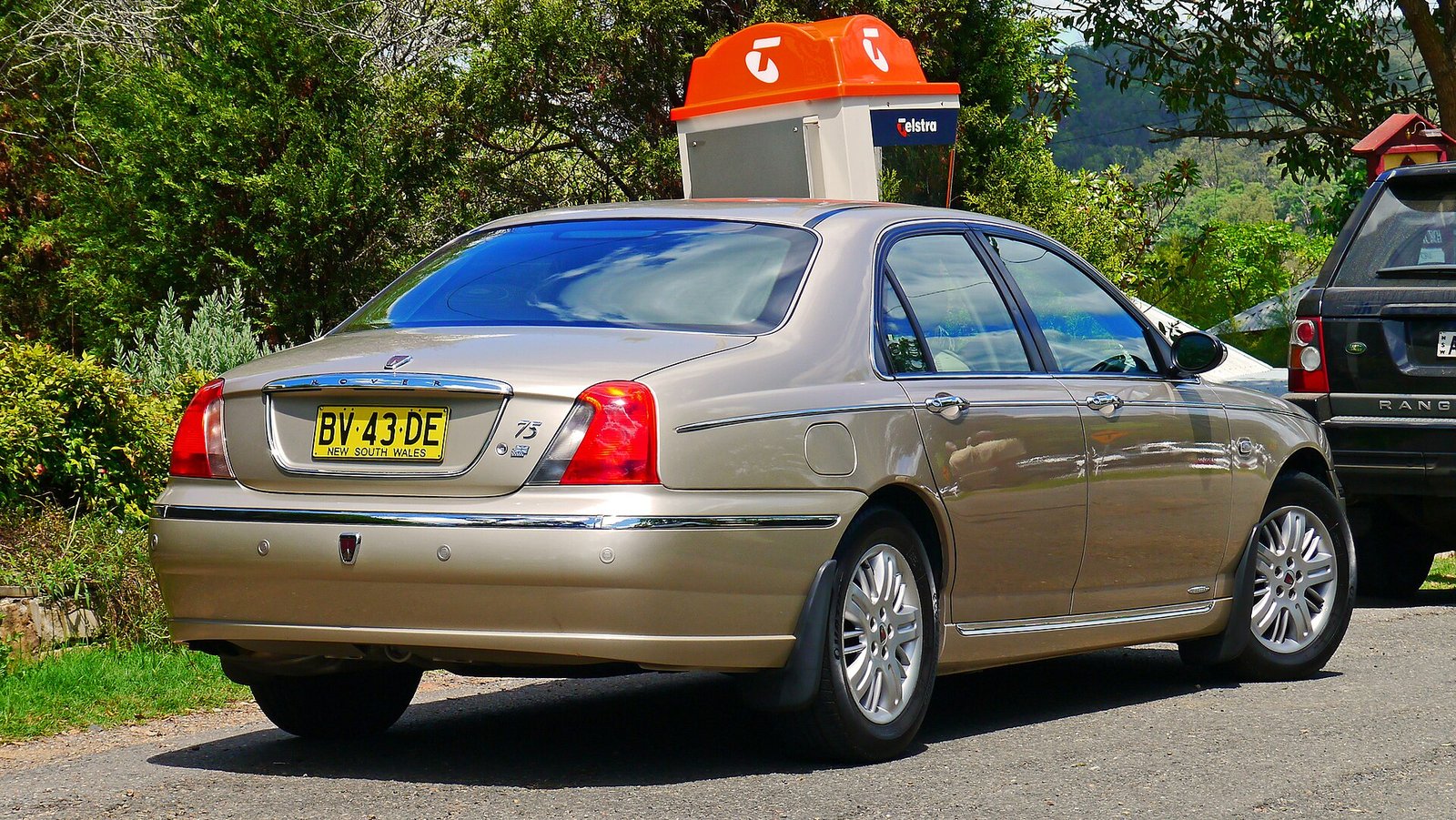
The 75 (1998–2005) was the last saloon Rover ever got right — genuinely refined, handsome in a gentleman’s-club way, and now comically undervalued. When we checked in July 2026, live examples included a 2005 75 at £1,250 and another 2005 car at £2,295 on eBay, plus the sportier MG ZT version at £2,250 on AutoTrader and a ZT-T estate at just £1,000. That’s the entire budget of this article, twice over, left in your pocket.
The one to get: the 2.5 KV6 for the noise and the wood-and-chrome cruise, or the BMW-derived diesel (116bhp as the CDT, around 130bhp as the CDTi) for six-hundred-mile tanks. What to check: the 1.8 K-series carries the same well-documented head gasket concerns as the MGF, so approach cheap 1.8s with the same paperwork demands; the KV6’s cambelt change is an involved job — £500–£800 at a specialist — so want proof it’s been done; and clear the scuttle drains, because blocked ones let water into the ECU. Browse the Rover market page and prepare to feel smug.
Mazda MX-5 Mk2 (NB) — the one that still slips under the wire
The Mk1 has largely gone; the Mk2 is where the value now lives. It’s 95% of the same recipe — revvy twin-cam, perfect gearshift, rear-wheel drive — minus the pop-up lights, and the market hasn’t finished noticing. In July 2026 eBay UK showed 94 MX-5s listed between £1,000 and £5,000: among them a 70,000-mile Mk2.5 1.8 at £1,995, a Mk2 Arctic limited edition at £2,995, a 2000 1.6 with factory hardtop at £3,600 and a 34,000-mile 2003 car with full history at £4,500.
The one to get: the 1.8 — up to 146bhp in later form — ideally a Mk2.5 Sport with the six-speed ‘box. What to check is one word: rust. It attacks from the inside out, and the single-skin sills and multi-layered front chassis rails are the killers; look for bulging metal around the rear arches that betrays rot between the layers. Mechanically they’re near-bulletproof, though seized rear brake calipers are common on cars that sit. A rust-free NB bought today looks like the cheapest way into classic sports car ownership that history will judge kindly. More on our Mazda market page.
Saab 900 and 9-3 — turbocharged nonconformism
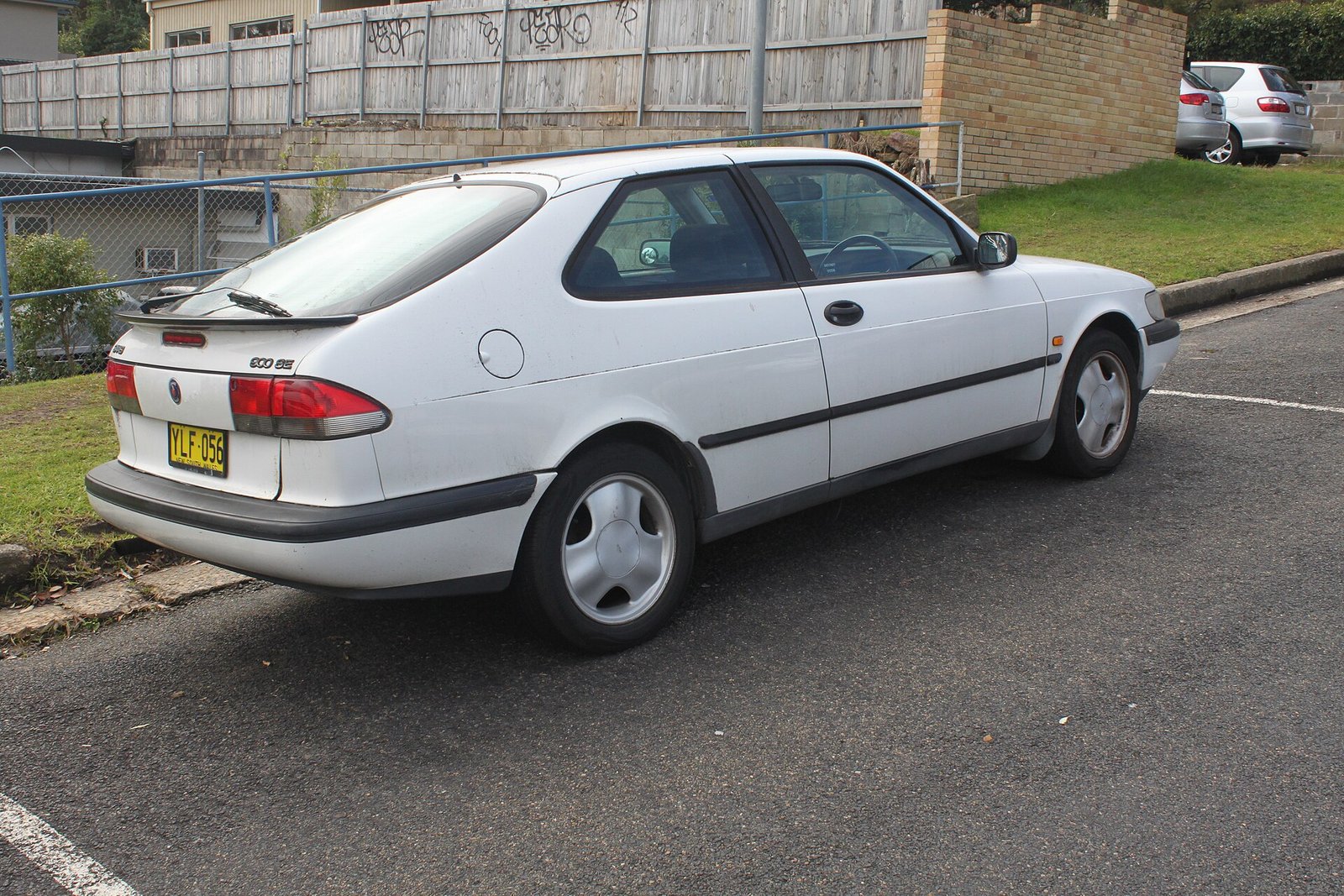
Saab has been gone long enough that the cars have crossed from “old” to “characterful”, yet prices haven’t followed. When we checked in July 2026, eBay UK held 120 Saabs between £800 and £5,000 — including a 1997 900 SE Turbo five-door at £2,495, a 74,800-mile 1997 900 2.0i S at £2,989, and first-generation 9-3s (the 900’s 1998 rename) everywhere from £1,995.
The one to get: anything with the 2.0 turbo — 185bhp in full-pressure form — because a fast Saab hatchback with the ignition key between the seats is exactly the sort of thing this budget should buy. What to check: the direct ignition cassette is the famous failure point (seasoned owners carry a spare in the boot), the turbos want evidence of regular oil changes, and convertibles need their roofs and drains checked properly. The Saab market page has the current crop.
Volvo 940 and 960 — the last rear-drive Volvo tank
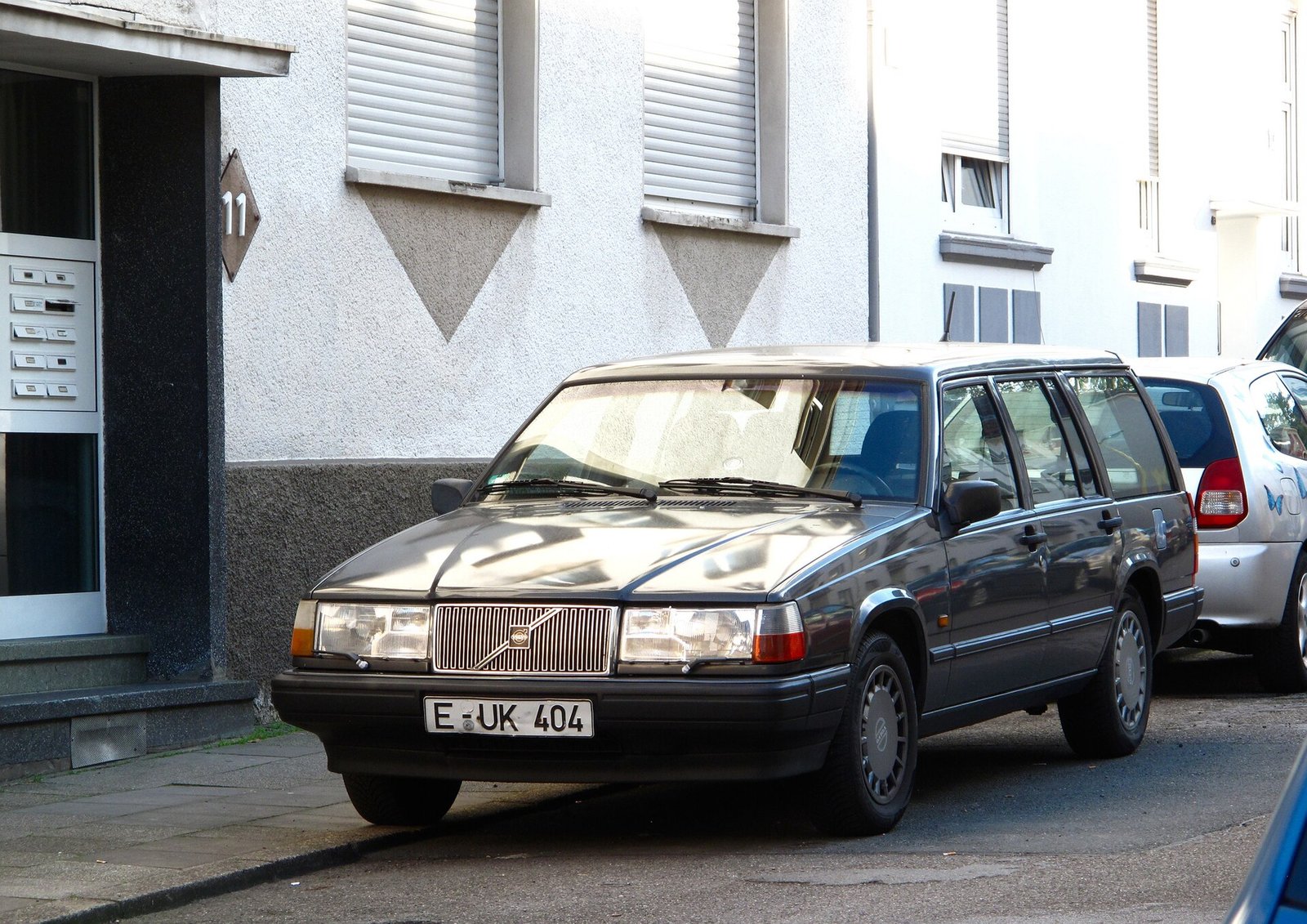
The 940 is the correct answer to a question more people should ask: what classic can I actually use? Rear-wheel drive, a cavernous estate body, and the B230 “redblock” four — an engine with a deserved reputation for being very reliable indeed. In July 2026 we found a 1997 940 2.3 low-pressure-turbo estate at £2,499, a 940 Celebration LPT at £2,000 from a Volvo specialist, and a 1995 960 at £2,495 — with a 1995 850 T5 estate at £3,850 for those who’d rather have the front-drive five-cylinder party piece.
What to check: the crankcase breather “flame trap” blocks if neglected and pressurises the engine’s oil seals, so ask when it was last cleaned; inspect the chassis legs and the subframe mounting points for rust; and accept that a drooping headlining is practically a factory fitting. Otherwise, service it and drive it forever — these make a genuinely sane case for daily-driving a classic. See what’s live on the Volvo market page.
BMW E39 5 Series — the best saloon of its era, at banger money
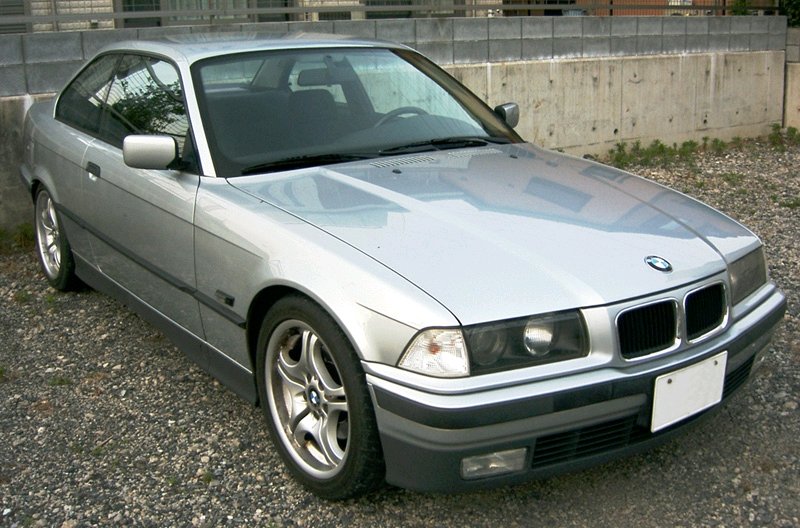
Twenty-five years on, the E39 still gets called the best all-round saloon BMW ever made. The good ones are climbing, but the honest, higher-mileage cars remain firmly in budget: when we checked in July 2026 a 1998 E39 was listed at £2,495 on AutoTrader, and the smaller 3 Series was well represented too — a 1996 323i at £4,250 and a 1998 318i at £4,650. Even a 1994 730i V8 appeared at £1,750, for the brave.
The one to get: a 523i or 528i with the M52 straight-six — 170bhp and 193bhp respectively, and regarded as among BMW’s most durable engines. What to check: the cooling system is the classic killer — plastic expansion tanks, thermostat housings and water pumps all fail with age, and an E39 with no cooling-system receipts is a red flag; on sixes, look for valve cover oil leaks and tired ignition coils; on any car, budget for suspension bushes. Skip the V8 unless the timing chain guides have been done. The BMW market page shows the spread.
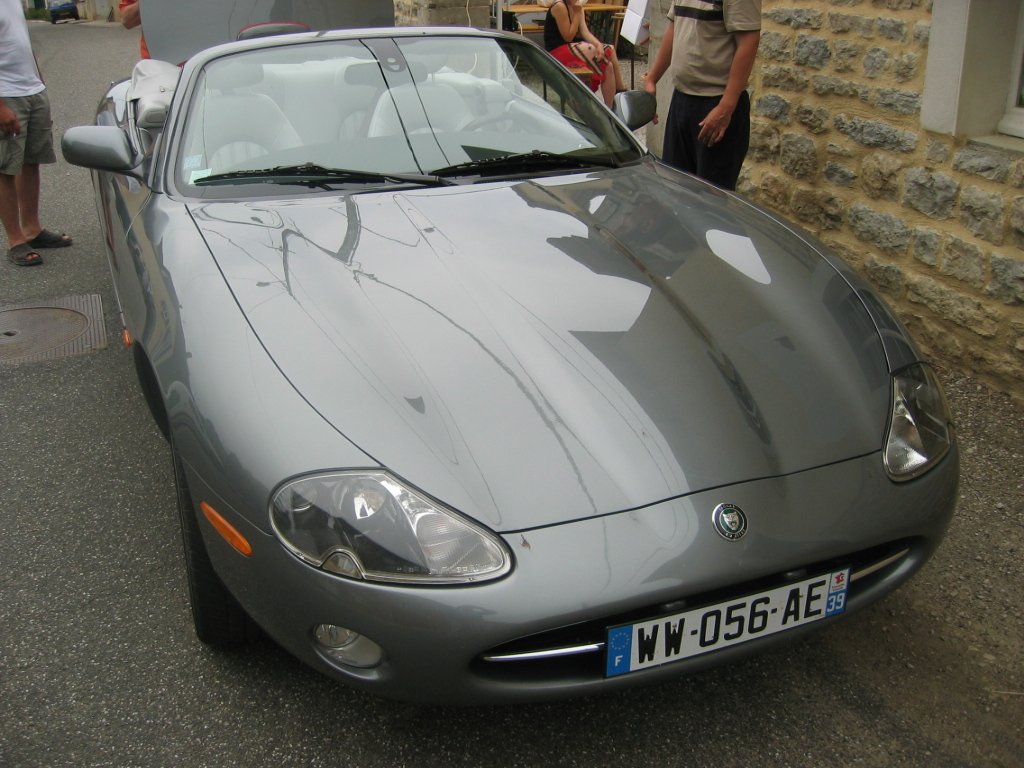
Jaguar XJ8 (X308) — a V8 Jaguar for £2,350. Really.
Nothing on this list buys more car per pound. The X308 XJ8 (1997–2002) is a wood-lined, V8-engined luxury saloon that undercut every German rival for grace — and in July 2026 we found a 1998 XJ8 listed at £2,350 and a 2002 XJ Executive V8 at £3,500. That is not a typo; that is simply what unloved Jaguars cost.
The one to get: a post-August 2000 car, because early AJ-V8s used Nikasil cylinder coatings that suffered bore wear on the high-sulphur fuels of the period. Jaguar replaced nearly all affected engines under warranty and switched to steel liners from engine number 000818-1043, but verify which engine your car has. What to check: the plastic timing chain tensioners are the other known weakness — the fix is the later, upgraded tensioner design, so demand evidence — and rust gathers in the front chassis legs, wheelarches and footwells. Buy on history, not on shine. The Jaguar market page is where the depreciation bargains live.
Mini Cooper (R50) — the modern classic your neighbour hasn’t noticed yet
The 2001–2006 BMW-era Mini is following the same arc the original Mini traced: ubiquitous, then cheap, then suddenly collectable. Right now it’s at stage two: in July 2026 we found a 2003 Mini hatch at £3,750 on AutoTrader, with later second-generation cars from as little as £999 — while a 1994 classic Mini Cooper we spotted was priced at exactly £5,000, which tells you where this road leads.
The one to get: a manual Cooper with the 1.6 Tritec engine (114bhp) — or an R53 Cooper S if you find a sorted one near budget, because the supercharged 161bhp car is the future collector piece. What to check: the electro-hydraulic power steering pump is the known fault — if it whines, price a replacement, as overheating pumps have been known to catch fire; avoid the CVT automatic entirely; and check the plastic thermostat housing and radiator for weeps. Browse the Mini market page before everyone else reads this paragraph.
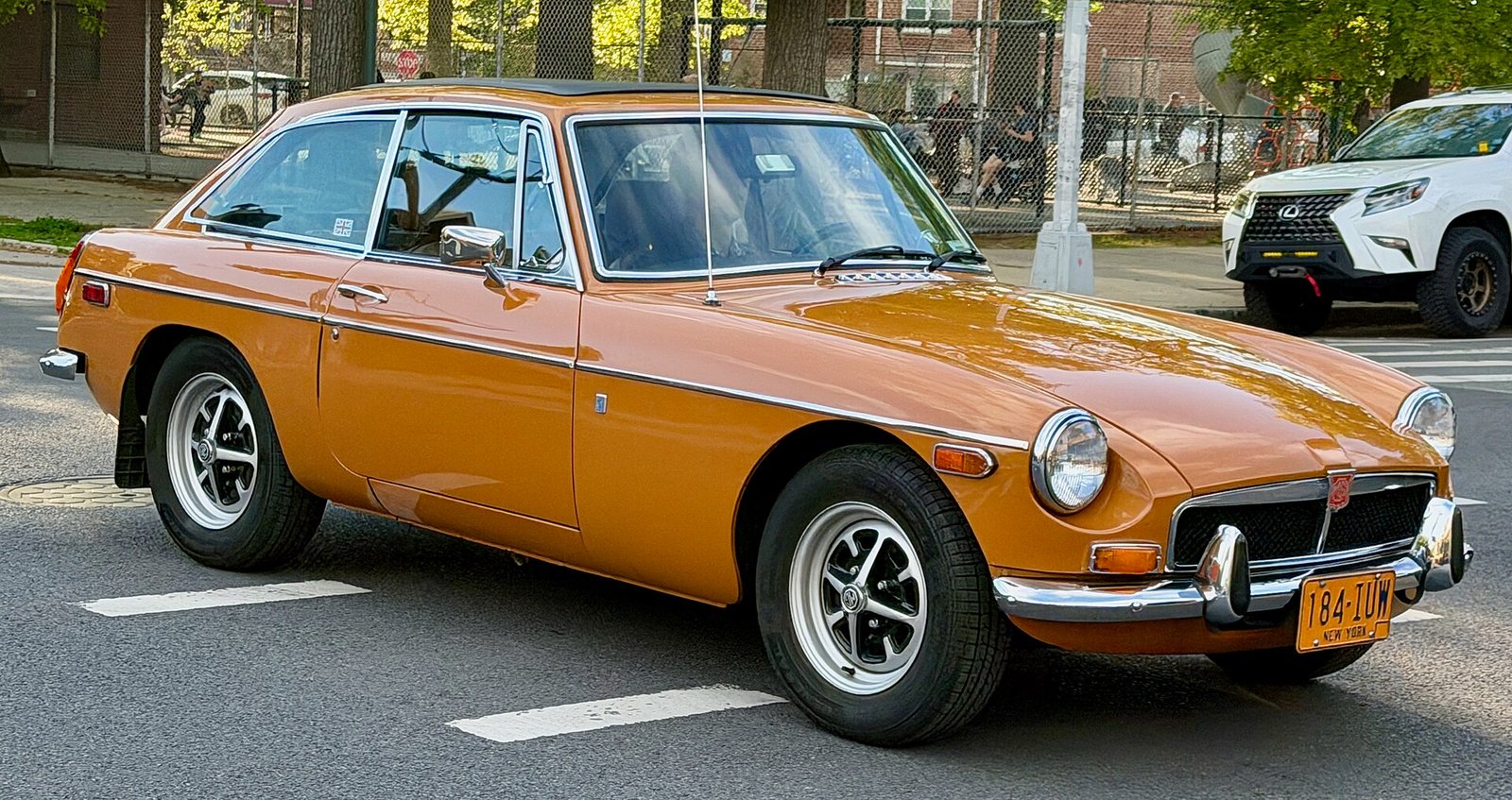
MGB — the definitive first classic, at the project end
Here’s an honest one. The MGB has not escaped the £5k bracket — but it’s standing in the doorway. When we checked in July 2026, AutoTrader had a 1972 roadster at £4,500 and a 1979 car at £4,495, and Hagerty’s guidance puts usable rubber-bumper cars from around £4,400. At this money you’re buying the rough-but-running end: expect old repairs, expect bills, and budget accordingly. (A 1978 MG Midget at £3,950 in the same search is the smaller, cheaper back door into the same ownership experience.)
The one to get at this budget: a rubber-bumper roadster or GT with solid structure and scruffy cosmetics — never the other way round. The B’s 1798cc B-series (95bhp) is famously rebuildable and every part is available off the shelf; what kills MGBs is structural rot in the sills, castle rails and spring hangers, so take a magnet and a torch. Overdrive is worth seeking out. And because every MGB is now over 40 years old, it qualifies for free road tax and MOT exemption — our guide to the 40-year rule explains the paperwork. Live cars on the MG market page.
Triumph Spitfire — the prettiest way to learn spanners
The Spitfire remains the cheapest route into chrome-era British roadster ownership, largely because so many were made — over 314,000 — and because its separate chassis makes it unusually restorable. In July 2026 we found a 1978 Spitfire at £1,595 (a project, plainly), a 1980 car at £3,750 and a 1972 example at £4,995, all on AutoTrader.
The one to get: a MkIV or 1500 — the 1493cc engine’s 71bhp isn’t much, but neither is the weight. What to check: rot is the main enemy, in the sills, bulkheads, chassis outriggers and rear radius-arm mounts; the front trunnions must have been lubricated with oil, not grease, or they seize and snap the kingpin; and listen for crankshaft end-float, because worn thrust washers can wreck the block. Like the MGB, every Spitfire now qualifies for historic tax and MOT exemption. The Triumph market page has the current field.
The ones that have escaped £5,000
This is the section most lists won’t write. The following cars appear in every “cheap classics” article ever published, and — on the real market in July 2026 — they are no longer reliably sub-£5k cars:
- Mazda MX-5 Mk1 (NA): leggy and imported examples still surface under £5k — we saw a 117,500-mile special edition at £4,500 — but honest, rust-free UK cars have moved on. The Mk2 above is the value play now.
- Toyota MR2: gone. The two MR2s live on our tracker when we checked were priced at £9,000 and £9,500. The Mk3 Roadster occasionally dips under, but Mk1s and Mk2s have left the building.
- Peugeot 205 GTI: the only sub-£5k 205 we found was a non-GTI at £3,000. GTIs at this money are shells or stories.
- BMW E30: nothing under £5,000 in our sweep. The E36 and E39 above are the same company’s answer at a third of the price.
- Honda Civic Type R (EP3): hovering just above the line — clean ones typically start beyond £5k. If you can stretch, our EP3 buying guide covers exactly what the extra money should buy.
How to buy well at £5,000
Three rules, learned expensively by others:
Condition beats specification. At this end of the market, the best example of a humble car always beats a rough example of a glamorous one. A £4,500 MG TF with a documented head gasket and dry sills will bring you more joy than a £4,500 Jaguar with mystery service history — every time.
History is the product. You’re not really buying metal; you’re buying evidence. Receipts for the known weak point of that specific model — the gasket on a K-series, the cooling system on a BMW, the tensioners on a Jaguar V8, the cambelt on a KV6 — are worth more than a fresh coat of paint.
Rust decides everything. Mechanical parts for every car on this list are available and mostly affordable. Structural welding is neither. Check sills, arches, chassis rails and mounting points before you so much as open the bonnet — and walk away from filler. If you plan to use the car properly, our guide to daily-driving a classic covers what regular use actually demands.
Check today’s prices before you believe anyone — including us
This article was verified against live listings in July 2026, and the market will have moved by the time you read it. Old Bangers tracks live listings and sold prices across UK marketplaces and auction platforms, so you can check the current state of play in seconds:
Search every live listing · MG · Rover · Mazda · Saab · Volvo · BMW · Jaguar · Mini · Triumph
Frequently asked questions
What is the best classic car for £5,000?
Our opinion: the MG TF if you want a sports car (verified from under £2,000 in July 2026), the Rover 75 if you want comfort for absurdly little, and the Mazda MX-5 Mk2 if you want the one your mechanic would choose. All three were available under budget, in usable condition, when we checked.
Are there classics under £5k that will go up in value?
No guarantees exist, but the pattern favours cars whose older siblings have already climbed: the MX-5 Mk2 (following the Mk1), the R50/R53 Mini Cooper (following the classic Mini), and solid MGB and Spitfire projects, which can’t be built for their purchase price. Buy condition and history first — appreciation follows the best examples, not the type.
What is the cheapest classic to run?
The MX-5 and MG TF have plentiful, cheap parts and modest thirst. For outright minimal running costs, a pre-1986 classic like an MGB or Spitfire adds free road tax and MOT exemption under the 40-year rule, and simple mechanicals you can service on the driveway.
Is £5,000 enough for a classic car?
Comfortably — if you shop on evidence. When we checked in July 2026, around 240 live UK listings under £5,000 were showing on our market search, spanning everything from usable roadsters to V8 luxury saloons. What £5,000 no longer buys is a mint example of the obvious choices — MX-5 Mk1s, 205 GTIs and E30 BMWs have moved on.
Should I buy the best car I can afford or a project?
Buy the best car you can afford, almost always. A £1,500 project plus £3,500 of parts rarely equals a £5,000 car — it usually equals a £2,500 car and a divorce. The exception is a structurally solid MGB or Spitfire bought as a rolling restoration, where parts supply is superb and the work itself is the hobby.
The verdict
The £5,000 classic is not dead — it has simply changed address. The chrome-bumper icons are leaving the bracket, but in their place sits a generation of nineties and early-2000s cars that are better to drive, cheaper to run and demonstrably, verifiably for sale right now: a mid-engined MG for £1,850, a turbocharged Saab for £2,500, a V8 Jaguar for £2,350. In ten years, some of the cars on this page will have pulled the same vanishing act as the MX-5 Mk1. The difference this time is that you were told while they were still cheap.
Ready to find yours?
Every price in this article was checked against real listings — see what’s for sale under £5,000 right now, with sold prices alongside.
Free checklist: The Classic Car Buyer’s Inspection Checklist
Print it and take it to the viewing — rust hotspots, MOT-history red flags, paperwork and the 8 walk-away signs. Enter your email and we’ll send you the PDF.