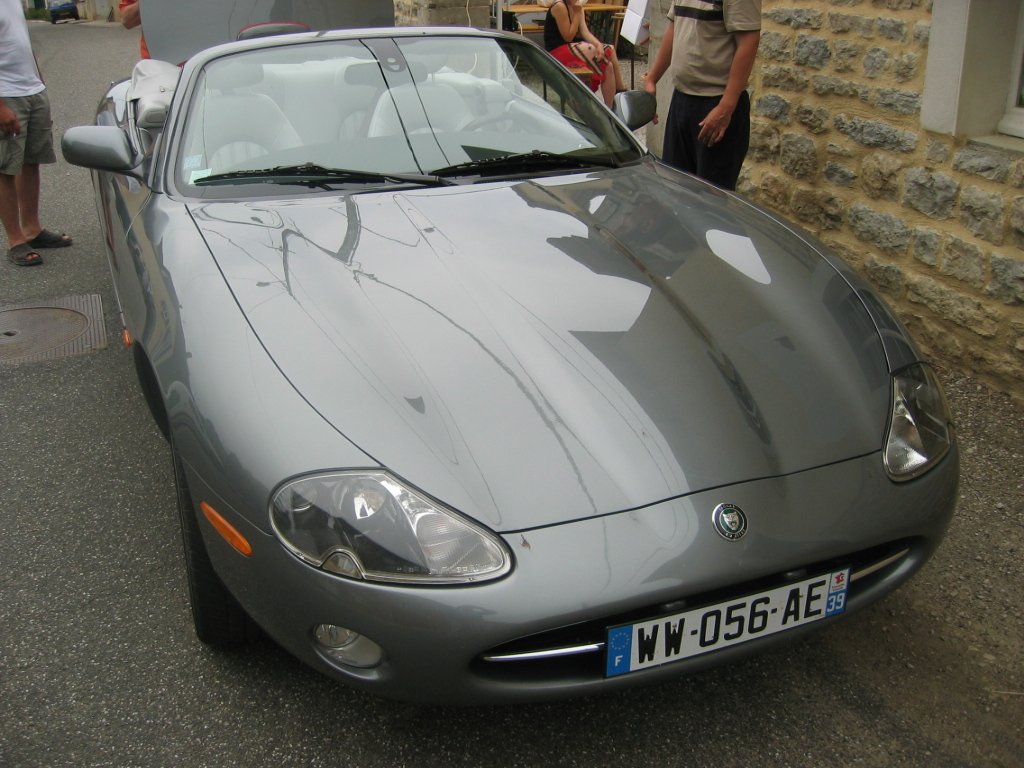
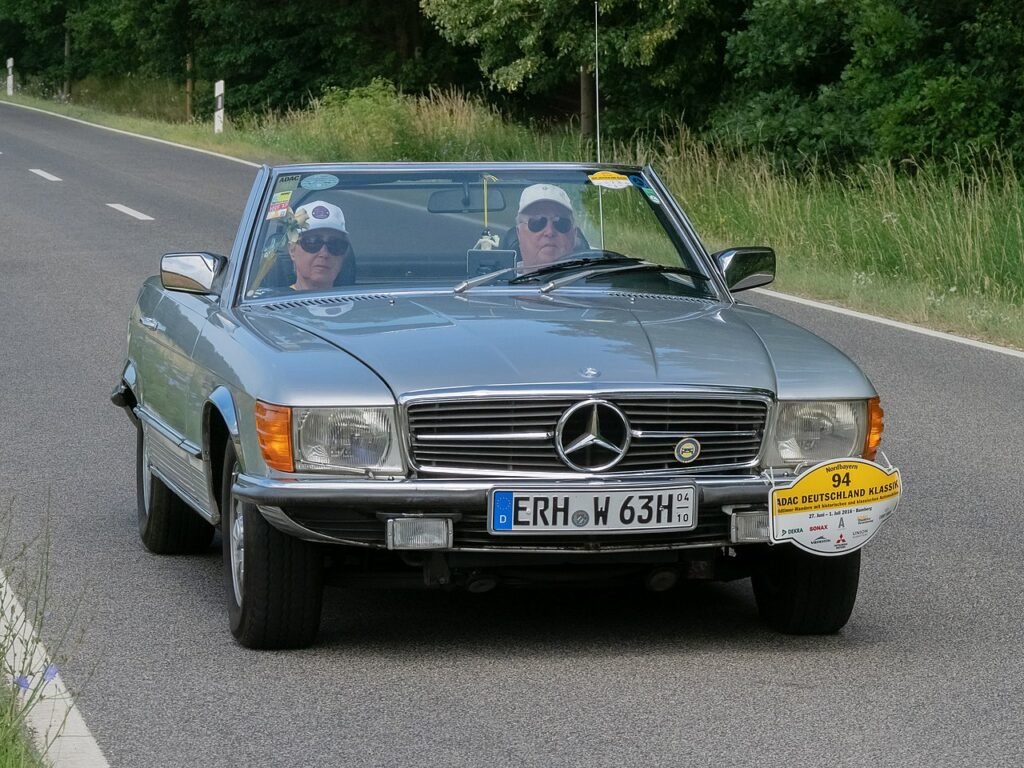
A decade ago, buying an interesting car meant a Sunday-morning drive to a windswept auction field, a paddle in your hand and a chequebook in your pocket. Now the whole thing happens on your phone from the sofa, and the field has been replaced by five or six websites all shouting for your attention. Collecting Cars, Car & Classic, The Market, PistonHeads, eBay — plus, as of this spring, the American juggernaut Bring a Trailer flying in over the fence.
They all do broadly the same job: put a car in front of thousands of bidders for a week and let the market decide. But the detail is where the money hides. One charges the buyer nothing and bills the seller; another does it the other way round. Some hold your payment securely until the car is safely in your driveway; others introduce you to a stranger and wish you luck with the bank transfer. Get the fee model wrong and a “bargain” hammer price can quietly gain four figures before you’ve turned a wheel.
This is the comparison that, frankly, didn’t exist anywhere until now — a straight, evidence-based look at how each UK platform actually works, what it costs on both sides of the deal, and what tends to sell where. Every fee below was checked against each platform’s own live pages in July 2026. Fees change; where they do, the platform’s own page is the final word.
Quick answer: The UK’s main online car auction sites are Collecting Cars (buyer pays ~7.2% inc VAT, seller pays nothing; hammer price held in a third-party account under its Secure Payments service unless the seller opts out), Car & Classic (buyer service fee from £300, seller ~6%+VAT, with full escrow on auction wins), The Market by Bonhams (no buyer premium; seller pays ~7%), PistonHeads (buyer 6%+VAT, free to list) and eBay Motors (no buyer premium, cheap to list, but mostly classified ads). There’s no single “best” — it depends on the car and whether you’re buying or selling.
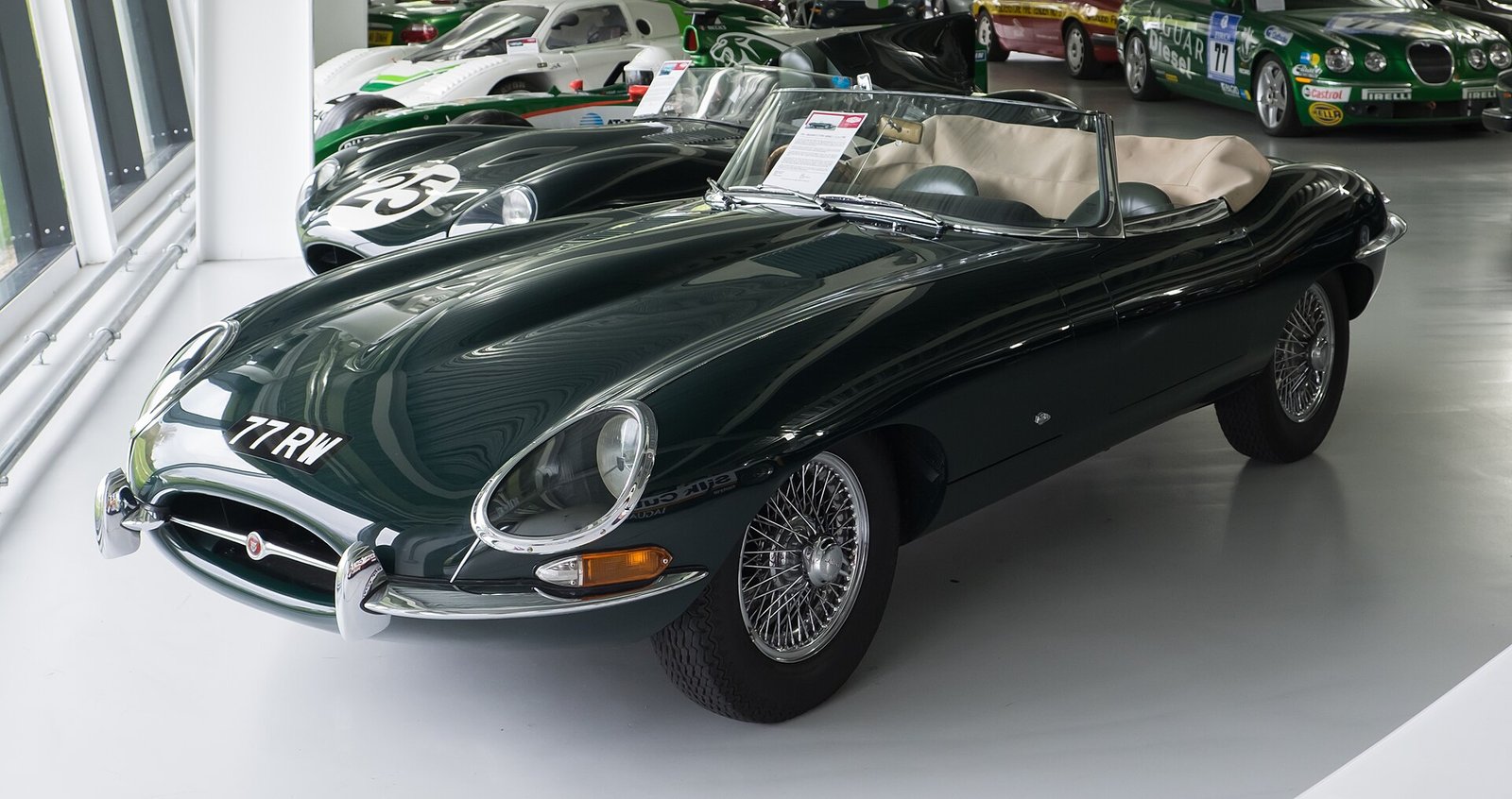
How an online car auction actually works, end to end
Before the platform-by-platform detail, it helps to know the shape of a deal, because it’s near-identical across all of them. Understand this once and every site below makes sense.
- Register and get approved. You create an account and usually register a card. Most platforms verify your identity before you can bid — partly anti-fraud, partly so they can charge their fee the instant you win.
- The listing runs for about a week. Seven days is the near-universal standard. The car is photographed, described, and the seller answers questions in a public comments thread — the single most useful feature of the format, and one traditional auctions never had.
- The reserve stays hidden. Almost every car has a secret reserve (the least the seller will accept). You bid up; if bidding clears the reserve, the car sells to the highest bidder. If it doesn’t, it’s a “no sale” and the seller can accept a post-auction offer or relist.
- The clock resets if you snipe. Bid in the last couple of minutes and the countdown extends — more on this “anti-sniping” mechanism below. eBay is the notable exception.
- You win, and the invoice lands immediately. The platform charges its fee (buyer’s premium or service fee) to your card automatically, usually within seconds of the hammer.
- You pay the balance, then collect or ship. This is where the platforms genuinely differ. Some hold your money in escrow until you’ve got the car; most simply put you in touch with the seller for a direct bank transfer. You then have a payment deadline — typically seven working days — to settle up and arrange collection or a transporter.
The platforms, one by one
Collecting Cars
The slick, high-volume operator. Founded by former Bonhams man Edward Lovett, Collecting Cars runs a global, daily-refreshed catalogue that spans £5k projects to seven-figure hypercars, with a genuinely strong following in modern classics, youngtimers and motorbikes (via its Collecting Cars Bikes arm). The photography and app are the best in the business.
Fees (as of July 2026, from its FAQs): sellers pay nothing — no listing fee, no cataloguing fee, no commission, and 100% of the hammer goes to the seller. The money is made from the buyer, who pays a 7.2% premium inclusive of VAT, with a minimum of £1,200 (£600 on bikes) and a maximum cap of £7,200. So on a £30,000 car the buyer adds £2,160; on a £150,000 car the premium is capped, which makes the platform notably keen for higher-value lots.
Mechanics: seven-day auctions with a two-minute anti-sniping reset. The premium is taken from your card via Stripe. For the hammer price, Collecting Cars offers Secure Payments: according to its Buyer Protection page, your money is held securely in a third-party account and released to the seller only once you have given the green light. Sellers can opt out of Secure Payments, so check the individual listing — where they have, the hammer price is paid directly to the seller, normally by bank transfer, with seven working days to complete.
Strengths & considerations: free to sell and huge reach make it a seller’s favourite, and buyers get superb presentation. The flip side is that a no-seller-fee model puts all the cost on the buyer, and on any listing where the seller has opted out of Secure Payments you are paying a stranger directly — check before you bid.
Car & Classic
The heavyweight of the affordable-to-mid market. Car & Classic grew out of one of Europe’s largest classic-car classifieds and now runs busy timed auctions alongside its enormous for-sale listings. If you want a £4k Mini project or a £25k restored MGB, this is the deepest pond in the country.
Fees (as of July 2026, from its help centre): sellers pay 6% + VAT, or a minimum fee, whichever is greater — the minimum being £600+VAT for cars and £500+VAT for bikes. Buyers pay a service fee that starts from around £300 and scales with the value of the car; crucially, the exact figure is shown before you bid and charged to your card the moment the auction ends.
Mechanics & escrow: this is the important one. Car & Classic runs a full escrow service on auction wins. You transfer the full winning bid into Car & Classic’s secure account; the funds are held there while you and the seller arrange handover; and the money is only released once both parties confirm the car has changed hands. Auctions extend by three minutes whenever a bid lands in the final three — the most generous anti-sniping window of the bunch.
Strengths & considerations: escrow is a real, tangible safety net, especially for nervous first-time online buyers or higher-value distance deals. The trade-off is friction — more steps, and your money tied up briefly mid-transaction — but plenty of buyers happily pay for that peace of mind. For the budget end in particular it’s hard to beat; our best classic cars under £5,000 guide is essentially a shopping list for this site.

The Market by Bonhams
Here’s the one people get wrong in 2026, so let’s set it straight. The Market was acquired by auction house Bonhams back in April 2021, and for a spell was rebranded “Bonhams Cars Online”. It has since reverted to The Market branding — the site itself now greets you with “Goodbye Bonhams Cars Online, hello The Market” — while remaining part of the Bonhams group. So it is very much alive, operating at themarket.co.uk with daily curated auctions, and it has not been folded away into the main Bonhams live-sale business. It sits in the curated classic-and-collectible space, quoting a sell-through rate around 89–90%.
Fees (as of July 2026, from its FAQ and seller pages): the model is the mirror image of Collecting Cars. Buyers pay no buyer’s premium — “you pay the hammer price and nothing else”. Sellers pay a 7% fee capped at £7,000 (plus VAT), with an optional £695+VAT concierge service for photography and storage.
Mechanics: two-minute anti-sniping extensions, repeating until bidding stops. On winning, The Market takes a deposit of 7% of the hammer (plus VAT for UK/EU buyers) to your card, and you pay the remainder directly to the seller and collect within seven days. So while there’s no “premium” as such, UK and EU buyers do effectively pay the VAT on that deposit portion on top of the hammer — a small sum, but worth knowing. There’s no escrow of the full price.
Strengths & considerations: no buyer’s premium is a real draw if you’re bidding, and the Bonhams pedigree lends confidence. Volume is lower than Collecting Cars or Car & Classic, so it’s more of a curated boutique than a firehose — which is exactly what some buyers want.
PistonHeads Auctions
Reports of its death were exaggerated: PistonHeads Auctions is still very much running in 2026, plugged into the enormous PistonHeads community and skewed, as you’d expect, towards premium and performance cars — the fast Audis, the 911s, the tuned Germans and the interesting moderns its forum lives and breathes.
Fees (as of July 2026, from its how-it-works page): listing is free for sellers regardless of whether the car sells, with an optional £595+VAT concierge package. Buyers pay 6% + VAT, with a minimum of £695 + VAT — so on a £30,000 car that’s £1,800 plus £360 VAT, or £2,160 all-in.
Mechanics: seven-day auctions; the reserve is hidden but the listing flags when it’s close to being met or has been met, which is a nice touch. Sniping protection adds two minutes to the clock for late bids. After you win, the buyer’s fee is charged to your card, PistonHeads runs an identity check, and then buyer and seller are introduced by email to settle the balance directly. No escrow.
Strengths & considerations: free listing plus a genuinely knowledgeable audience makes it a strong choice for enthusiast performance metal — the sort of future classics we cover in our future classic hot hatches piece. The audience is narrower than the generalist sites, so leftfield or very cheap cars can find fewer eyes.
eBay Motors
The original, and still the biggest by raw traffic. eBay Motors UK is a different animal from the curated sites: it’s a marketplace, not a specialist auctioneer, and the vast majority of cars now sell as fixed-price or Classified Ad listings rather than live bidding wars. The genuine timed auction still exists, but it’s the minority format for cars.
Fees (as of July 2026, from eBay’s Motors fees page): for private sellers a Classified Ad costs £19.99 to list with no final value fee; an auction-style or fixed-price listing costs £14.99, and auctions add a final value fee of 1% (minimum £25, maximum £45). There is no buyer’s premium — the buyer pays the price and nothing to eBay.
Mechanics: the classic-auction format ends at a fixed time with no anti-sniping extension, which is precisely why last-second sniping is an eBay tradition. Payment and collection are arranged between buyer and seller; eBay’s protection schemes for vehicles are limited, so most cars are treated as cash-on-collection deals. No escrow.
Strengths & considerations: unbeatable reach and near-zero cost make it the natural home for everything from £500 runners to barn finds — and for a rummage, nothing else comes close. The trade-off is the least protection and the most time-wasters; it rewards buyers who can inspect in person and sellers who can filter tyre-kickers.
Bring a Trailer, and the traditional houses
Is there a UK version of Bring a Trailer? As of 2026, the answer is finally yes — because it’s the real thing. The cult American platform Bring a Trailer (owned by Hearst) officially launched in the UK on 23 March 2026, working through a network of local specialist partners such as Bicester-based Sports Purpose and Dorset’s Chase Classics rather than opening a warehouse of its own. UK sellers list from around £79 (or £239 for the photographed “BaT Plus” tier, with launch-period discounts), and buyers pay a 5% premium capped at £5,000 — a deliberately lower cap than most rivals. Its real weapon is the same as ever: a fanatical, knowledgeable comments community that interrogates every listing. It’s early days for the UK operation, but it instantly becomes a serious player at the enthusiast end.
Then there are the traditional auction houses, which increasingly sell online too. Iconic Auctioneers (formerly Silverstone Auctions), H&H Classics, Historics and Anglia Car Auctions all run physical sales with live internet bidding, and they remain the venue of choice for the rarest and most valuable machinery. The catch is cost: Iconic, for example, charges buyers a 12.5% + VAT premium on cars (15% inclusive) plus a small admin fee — comfortably more than any of the pure online platforms. You pay for the marque expertise, the physical viewing day and the theatre of a live sale.
The big comparison: fees and features at a glance
Every figure below was verified against each platform’s own current pages in July 2026. “Buyer fee” and “seller fee” exclude the hammer price itself.
| Platform | Buyer fee | Seller fee | Escrow? | Anti-sniping? | Typical stock |
|---|---|---|---|---|---|
| Collecting Cars | 7.2% inc VAT (min £1,200 / max £7,200) | None | Yes — Secure Payments (third-party account; sellers can opt out) | Yes — 2-min reset | Modern classics, supercars, youngtimers, bikes; high volume, global |
| Car & Classic | Service fee from ~£300 (sliding scale) | 6% + VAT (min £600+VAT cars) | Yes | Yes — 3-min extension | Huge classic range, strong at affordable–mid |
| The Market by Bonhams | None (pay hammer; VAT applies to 7% deposit for UK/EU) | 7%, capped £7,000 (+VAT) | No | Yes — 2-min extension | Curated classic & collectible, daily sales |
| PistonHeads | 6% + VAT (min £695+VAT) | Free to list | No | Yes — 2-min extension | Premium & performance, enthusiast moderns |
| eBay Motors | None | List £14.99–£19.99; auction FVF 1% (£25–£45) | No | No — fixed end time | Everything; mostly classified ads |
| Bring a Trailer (UK) | 5%, capped £5,000 | From ~£79 to list | No | Yes — extends late bids | Enthusiast & collector, via UK partners |
Buying a car unseen without getting burned
The great anxiety of online auctions is committing thousands to a car you’ve never touched. It’s a fair worry — but it’s a manageable one, and the format actually gives you tools a classified ad never did.
- Read every photo like an inspector, not a fan. Good listings carry 100-plus images including underside, boot floor, sills, engine bay and cold-start video. Sparse photos are a red flag in themselves — a seller with nothing to hide hides nothing.
- Use the comments thread. This is your free, public pre-purchase interrogation. Ask direct questions — welded sills? matching numbers? service history gaps? — and watch how the seller answers. Evasive or defensive replies tell you as much as the answers do. Other bidders often spot things you’d miss, too.
- Commission an inspection. For anything above beer money, pay a marque specialist or a service like the AA/RAC or a club inspector to view the car before the auction ends. £150–£250 spent here is the cheapest insurance in the hobby.
- Check the paperwork on screen. Ask for photos of the V5C, MOT history (free to check on gov.uk), and invoices. Cross-reference the plate against the DVLA and MOT records yourself.
- Factor in the extras. Fee, transport (£1–£2 per mile for a covered transporter, less for open), and any recommissioning. A car that’s been sitting will want fluids, tyres and brakes exercising before you lean on it — our guide to daily driving a classic car covers the recommissioning basics.
- Prefer escrow for higher-value distance buys. If the sum makes you nervous and you can’t collect in person, Car & Classic’s escrow and Collecting Cars’ Secure Payments exist precisely for this. Where a platform pays seller-direct, verify the seller thoroughly before transferring.
A seller’s-eye view: which channel nets what
Flip it around, because where you list changes what you pocket. This is opinion grounded in how the fee models stack up — not a league table.
Selling something desirable and well-documented? The no-seller-fee sites (Collecting Cars, PistonHeads, The Market for buyers) compete hard for exactly this car, and the buyer-pays model means you keep the whole hammer — attractive maths. A tidy air-cooled 911, a good early Boxster or a documented fast Ford will do well on presentation-led platforms where bidders pay for provenance.
Selling an affordable, mainstream classic? Car & Classic’s sheer depth of audience is hard to ignore, and the seller commission is modest in cash terms on a cheaper car. Escrow can also make hesitant buyers braver, which supports the price.
Selling something cheap, quirky or local? eBay’s reach and near-zero fees are tough to beat, and the classified-ad format lets you deal face-to-face. You’ll wade through time-wasters, but you keep almost everything.
Selling something rare or blue-chip? The traditional houses’ higher buyer premiums are offset by marque expertise, a physical viewing day and a bidder base with deep pockets. For a genuinely exceptional car, the theatre earns its keep.
The honest summary: presentation and honesty move the needle far more than platform choice. A well-photographed, fully-described car with a seller who answers every question tends to beat a lazy listing on the “right” site every time.
See it all in one place
Old Bangers exists to take the legwork out of exactly this. Rather than tabbing between six auction sites, we aggregate live listings from eBay UK and dealer stock, alongside auction-market statistics and UK survival data, so you can see what sellers are asking right now and how rare a car really is.
Start with the market overview on the homepage, run your own filters through the full search, or dive into a marque: Porsche · Jaguar · Volkswagen — or browse every marque here.
Frequently asked questions
Which is the best car auction site in the UK?
There isn’t one winner — it depends on the car and your role in the deal. For sheer choice at affordable prices, and the reassurance of escrow, Car & Classic leads. For polished presentation and free selling, Collecting Cars. For no buyer’s premium, The Market by Bonhams. For performance cars, PistonHeads. For rummaging and rock-bottom fees, eBay. And for a knowledgeable enthusiast community, the newly-arrived Bring a Trailer. Match the platform to the car rather than hunting for a single “best”.
What fees do Collecting Cars charge?
As of July 2026, Collecting Cars charges sellers nothing — no listing or commission fee, and 100% of the hammer goes to the seller. Buyers pay a 7.2% premium inclusive of VAT, with a minimum of £1,200 (£600 on motorcycles) and a maximum cap of £7,200. The premium is taken by card. The hammer price is normally paid through Collecting Cars’ Secure Payments service — held in a third-party account until you confirm — unless the seller has opted out, in which case it is paid directly to the seller.
Does Car & Classic use escrow?
Yes. Car & Classic runs full escrow on auction wins (Collecting Cars offers a comparable Secure Payments service, which sellers can opt out of). The buyer transfers the entire winning bid into Car & Classic’s secure account, the funds are held there while collection is arranged, and the money is only released to the seller once both parties confirm the car has changed hands. Buyers also pay a service fee (from around £300, shown before bidding) and sellers pay 6%+VAT or a minimum fee.
Is there a UK equivalent of Bring a Trailer?
Bring a Trailer itself launched in the UK on 23 March 2026, operating through local specialist partners, with a 5% buyer’s premium capped at £5,000. Before that, the closest home-grown equivalents were Collecting Cars, The Market and Car & Classic, all of which offer the same community-driven, week-long, comments-and-photos format that made BaT famous in the US.
Is it safe to buy a car unseen at online auction?
It can be, provided you treat the listing as a starting point rather than gospel. Scrutinise every photo, use the public comments thread to grill the seller, check the MOT and V5C details yourself, and — for anything of value — commission an independent inspection before the auction closes. For higher-value distance purchases, favour a platform with escrow or payment protection, such as Car & Classic or Collecting Cars’ Secure Payments, so your money isn’t released until you have the car.
How do anti-sniping extensions work?
Anti-sniping (or “soft close”) stops bidders winning by placing a bid in the last second. If a bid arrives within a set window near the end — two minutes on Collecting Cars, The Market and PistonHeads, three minutes on Car & Classic — the countdown resets by that amount, and keeps resetting until bidding stops. It gives everyone a fair chance to respond. eBay is the exception: its auctions end at a fixed time, which is why sniping remains a feature of buying there.
The verdict
The best thing about the modern online auction scene isn’t any single platform — it’s that competition between them has left the buyer and seller genuinely spoilt. You can sell a good car for free and keep every penny of the hammer, or buy one with your money held safely in escrow until it’s on your drive. A decade ago you had neither option.
So don’t be loyal to a website; be loyal to the car. Work out whether you value free selling, buyer-side savings, escrow protection or sheer reach, then pick the platform that delivers it for that specific deal. And whichever way you jump, check the market data first — because the one advantage the house always had over the punter was knowing what things really make. That information is now yours too.
Bidding this week, or just watching the market?
See live listings and market data from across the UK enthusiast market, in one place.
Free checklist: The Classic Car Buyer’s Inspection Checklist
Print it and take it to the viewing — rust hotspots, MOT-history red flags, paperwork and the 8 walk-away signs. Enter your email and we’ll send you the PDF.