No car on earth is more slandered by its own internet than the Porsche Boxster 986. Type its name into any search box and autocomplete finishes the job with a single, sinister acronym: IMS. Whole forums have been built on the fear that one small, cheap bearing will grenade your engine without warning and leave you weeping over a £6,000 bill. It has scared a generation of buyers away from what is, on the numbers, the cheapest genuinely brilliant Porsche you can own.
Here is the thing the horror stories leave out: the overwhelming majority of these cars never suffer the failure at all, the risk is well understood, and it is already baked into the price you pay. Buy on condition and history rather than on rumour and you get a mid-engined, flat-six roadster designed by the same people, in the same era, as the 911 — for the money of a tired hot hatch. This guide gives you the verified facts, the honest risk framing, and real July 2026 prices, so you can stop doom-scrolling and start shopping.
Quick answer: The Boxster 986 (1996–2004) is the most affordable way into real Porsche ownership, with tidy cars from around £7,000–£12,000 in mid-2026. The infamous IMS bearing risk is real but widely overstated: reported failure rates run from roughly 1% on early dual-row engines to about 8% on single-row ones. Buy on documented history, budget for the bearing at the next clutch change, and it is a sound, thrilling car.
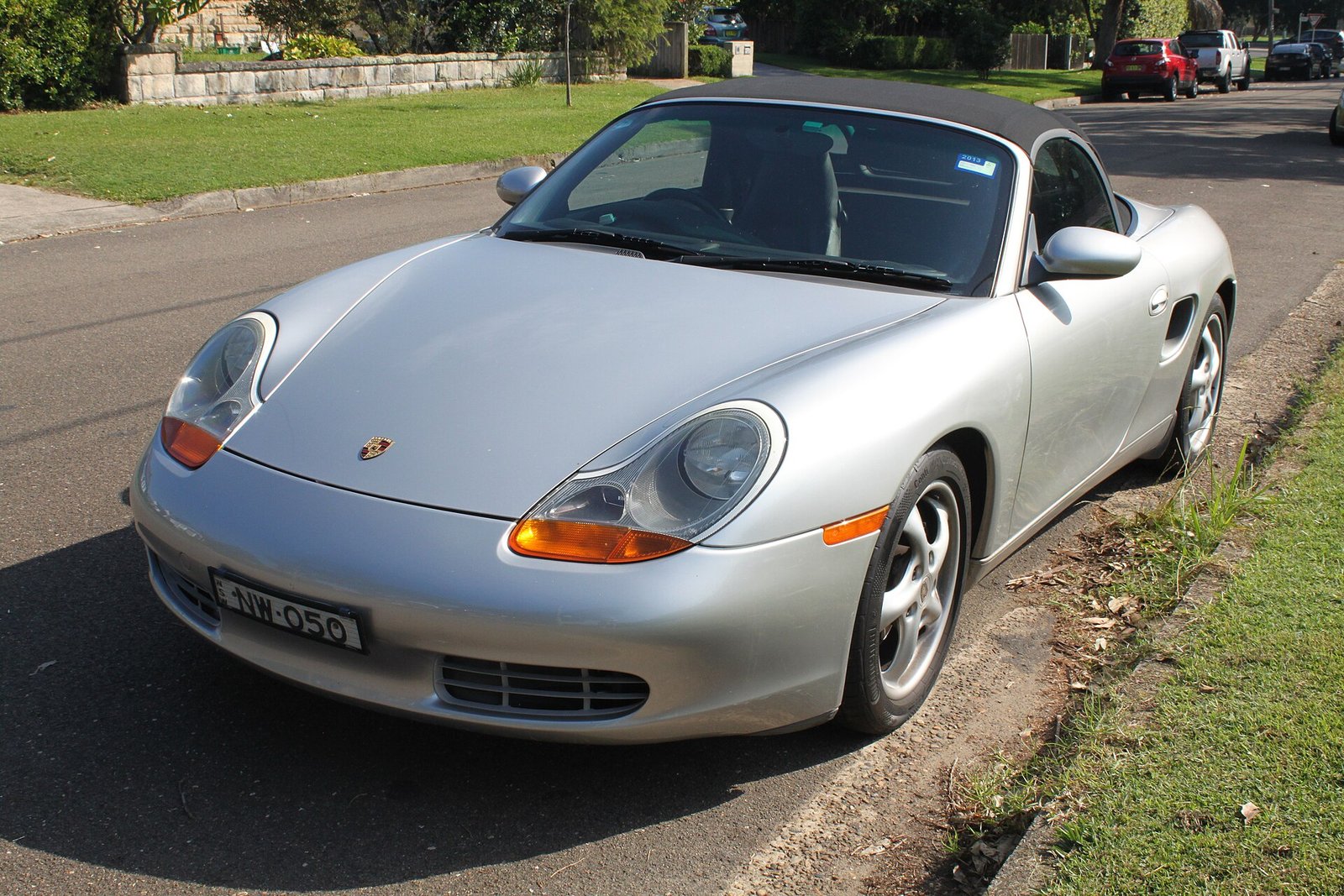
The car that actually saved Porsche
The Boxster origin story gets thrown around loosely, so let’s be precise about it. By the early 1990s Porsche was in real trouble: an ageing line-up of the air-cooled 911, the four-cylinder 944/968 and the V8 928, thin sales, a small workforce and a weak US dollar that hammered its most important export market. The company was building cars in an expensive, old-fashioned way and losing money doing it.
The fix was radical. A new management team — with Wendelin Wiedeking, who became chief executive in 1993, driving a ruthless overhaul of how Porsche built cars — bet the company on two all-new models developed side by side to share as much as possible. The plan was to slash the cost of a new car by around 30% through carried-over parts. So the Boxster 986 and the water-cooled 911 (996) that followed it shared their front-end structure, bonnet, front wings, headlights, much of the interior and the fundamentals of the new water-cooled flat-six. From the windscreen forward, an early 996 and a Boxster are near-enough twins — which is exactly why they were profitable.
The look came from American designer Grant Larson, working under design chief Harm Lagaay, drawing on the 356 Speedster and the 550 Spyder. The concept stole the 1993 Detroit motor show. When the production car arrived in 1996 it did precisely what it was designed to do: it sold in numbers Porsche had not seen, restored the balance sheet and bought the company the breathing room that would later fund the Cayenne and everything after it. The 911 is the icon, but the Boxster is the car that kept the lights on.
Versions: 2.5, 2.7 and the S — which to buy
Mechanically the range is simple, and every version uses a variant of the M96 water-cooled flat-six mounted amidships. The differences are displacement, power and a mid-life facelift.
| Model | Engine | Power | Years | Gearbox |
|---|---|---|---|---|
| Boxster 2.5 | 2.5 flat-six (M96/20) | 201bhp (204 PS) | 1996–1999 | 5-speed manual / 5-speed Tiptronic |
| Boxster 2.7 | 2.7 flat-six (M96/22→23) | 217bhp, later up to ~228 PS (225bhp) | 2000–2004 | 5-speed manual / Tiptronic |
| Boxster S 3.2 | 3.2 flat-six (M96/21→23) | 250bhp (252 PS), later 258bhp (260 PS) | 2000–2004 | 6-speed manual / Tiptronic |
The original 2.5 (1996–1999) is the purist’s bargain: lightest, simplest, and now old enough to feel like a modern classic rather than a used car. It is not fast by today’s standards, but it is beautifully balanced and, crucially, it uses the tougher early bearing (more on that below).
The 2.7 that replaced it in 2000 is the sweet spot for most buyers — noticeably stronger in the mid-range, still cheap to buy, and the most plentiful version on the market. The Boxster S, launched alongside it, is the one enthusiasts covet: a 3.2-litre engine, a six-speed gearbox where lesser cars make do with five, bigger brakes and a subtly firmer set-up. It is the fastest 986 and the one that has held its money best.
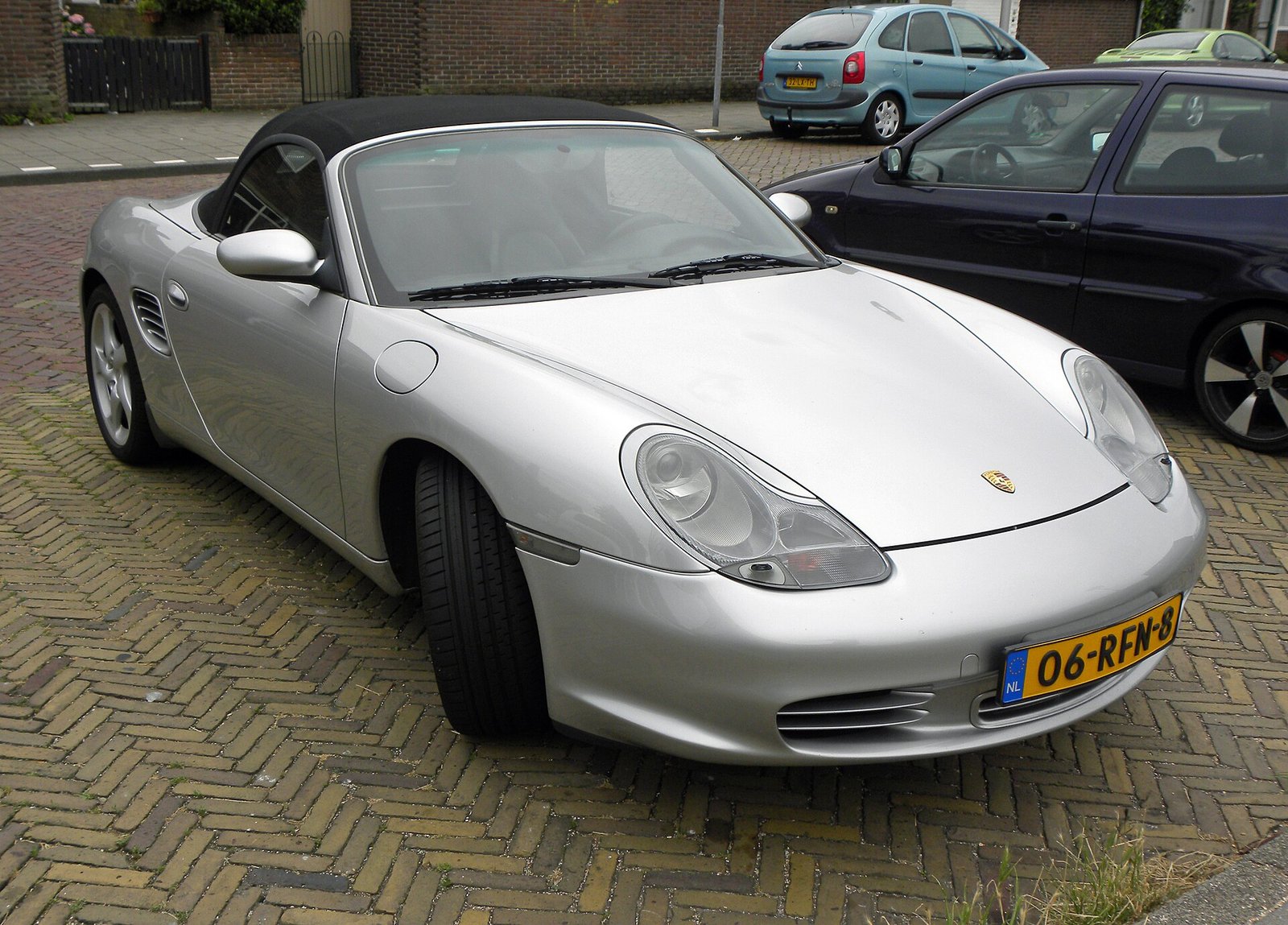
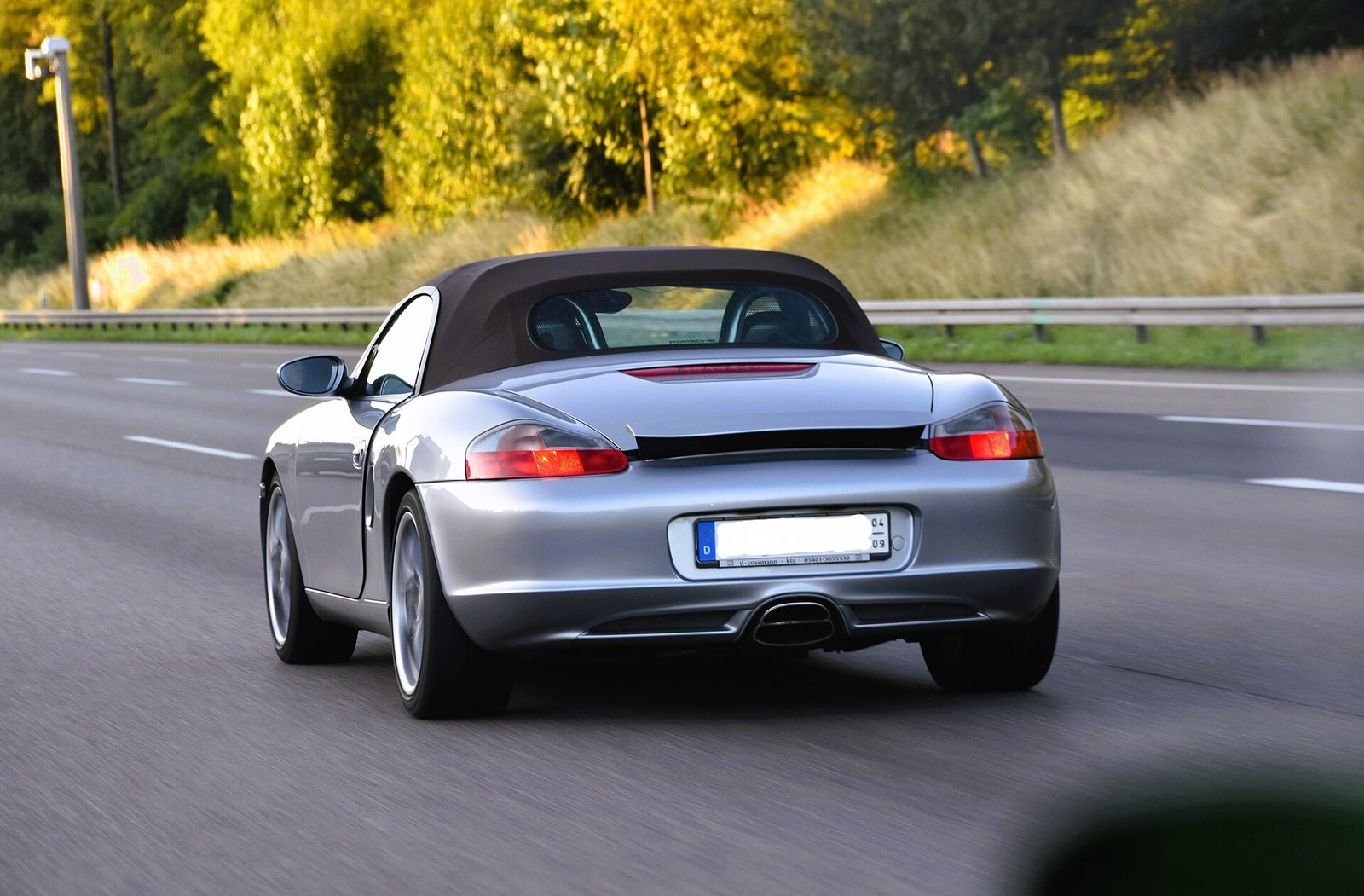
The 2003 facelift is worth seeking out. It swapped the pre-facelift car’s plastic rear window — which yellows and cracks with age — for a proper heated glass screen, added a glovebox, fitted clear indicator lenses and larger air intakes, and gave the base car its small power bump. A late, facelifted 2.7 or S is the most usable everyday 986.
The IMS bearing: what it is, and why the terror is overblown
Time to defuse the bomb. The Boxster’s flat-six has an intermediate shaft (IMS) running the length of the engine, which drives the camshafts via chains from the rear of the block. One end of that shaft turns on a sealed ball bearing. The design flaw is simple: that bearing is sealed and gets no direct feed from the engine’s pressurised oil system, so over years and miles its grease degrades and the bearing can wear. In the worst case it fails, the shaft loses its location, the timing chains skip, valves meet pistons, and the engine is destroyed. That is the nightmare the internet sells you.
Now the context the nightmare omits. Not all 986s carry the same bearing, and the failure rates are nothing like the forum folklore suggests.
| Bearing type | Fitted to (986) | Reported failure rate | Behaviour |
|---|---|---|---|
| Dual-row | 1997–1999 cars (and into 2000) | ~1% | More robust; tends to shed metal “glitter” into the oil as a warning |
| Single-row | Roughly 2001–2004 cars (changeover during 2000) | ~8% (under warranty) | Weaker; often fails with little warning |
Those percentages come from evidence submitted in the US class-action lawsuit against Porsche (the widely reported Eisen case): around 1% for the early dual-row bearing, and roughly 8% for the single-row unit — the latter measured within the warranty period, with the true lifetime figure suspected to be somewhat higher. Treat them as the best public estimates rather than gospel, but note what even the pessimistic number means: an 8% failure rate is a 92% survival rate. On the early dual-row cars, roughly 99 in 100 engines never suffer it at all.
There is a further, comforting statistical point. A 986 that has reached 2026 on its original bearing has already survived more than two decades and, in most cases, well over 100,000 miles. The cars most likely to fail have, by and large, already failed and been dealt with. A long, unbroken service history on a survivor is itself reassurance.
The fix, and why it de-risks the whole car
Best of all, this is a solved problem. Specialists such as LN Engineering and IMS Retrofit make upgraded bearings that replace the factory part, and the job is done from the back of the engine — which means the ideal time to do it is when the clutch is out anyway, since the gearbox is already removed. Fitted at clutch time the bearing itself is a few hundred pounds of parts on top of a job you were doing regardless. A 986 with a fresh clutch and an uprated IMS bearing already fitted is arguably the one to buy: the single biggest worry has been permanently retired, and you should pay a small premium for it gladly.
The rest of the checklist: what else to inspect
IMS gets the headlines, but a sensible buyer checks the whole car. None of the below should scare you off — they are simply what a 20-plus-year-old Porsche needs a knowledgeable eye on.
- Cracked cylinder liners / “D-chunk”: a specific weakness of the 2.5 engine (and the 3.4 in the 996), where a Lokasil cylinder liner cracks and lets oil and coolant mix. Importantly, the 3.2 S is not affected — its thicker cylinder walls sidestep the problem. On a 2.5, check the oil filler and coolant header for the tell-tale “mayonnaise” of intermix.
- Bore scoring: more associated with the later, larger-capacity engines (the 996’s 3.4/3.6 and later 987/997 units) than the 986, but not unknown. Listen for a cold-start tapping from one bank and look for smoke; a borescope inspection settles it (see the FAQ).
- Rear main seal (RMS) leaks: common, especially on earlier cars. Usually a slow weep rather than a disaster — check for oil misting around the bellhousing. Worth fixing at clutch time, again while the gearbox is out.
- Coolant expansion tank: the plastic header tank cracks with age and drops coolant. Cheap to replace, but check for staining and low level.
- Engine and gearbox mounts: tired mounts let the drivetrain shuffle and add vibration; a known wear item.
- Roof mechanism: the electric hood relies on cables, transmission arms and microswitches that seize or snap; watch a full up-and-down cycle before buying. On pre-facelift cars the plastic rear window crazes and yellows — a facelift glass screen, or a good replacement roof, is preferable.
- Blocked drains and wet electronics: the Boxster’s cabin and convertible-top drains clog with leaves and debris. When they do, water backs up and pools in the footwells — right where control units live low in the car. Symptoms range from damp carpets to a car that won’t start or throws random electrical gremlins. Lift the carpets and feel for damp; it is one of the most common and most preventable 986 faults.
- Suspension arms and bushes: rose joints and bushes wear out around the 40,000-mile mark and knock over bumps. Rebuild kits are cheap; the labour is the cost.
Living with one: running costs and the specialist network
This is where honesty matters most, because the Boxster’s low purchase price hides a truth: it is still a Porsche, and it costs like one to maintain properly. The saving grace is a deep network of independent specialists who service these cars for a fraction of main-dealer money and know every quirk above by heart.
As a rough guide to independent-specialist pricing, a minor service runs around £350 and a major service around £750; a clutch is typically £900–£1,200 (the ideal moment to add the IMS bearing and RMS seal), a water pump around £700 (figures via Classic & Sports Car). Parts availability is excellent and consumables are broadly saloon-car money; it is the big, labour-heavy jobs that bite. The golden rule is to buy the best-maintained car you can, not the cheapest — a £4,000 car with an unknown history can cost you far more than a £9,000 one with a folder full of receipts.
Owned sensibly, a 986 makes a genuinely usable weekend car or fair-weather daily — and there is real pleasure in running a modern classic as it was meant to be used rather than hiding it away. The ownership community is superb, too: the Porsche Club GB Boxster register and The Independent Porsche Enthusiasts Club (TIPEC) are full of people who have solved every problem you’ll ever meet.
What a good 986 costs in 2026
Here is the current lie of the land, based on UK asking prices observed across PistonHeads, Car & Classic and AutoTrader as of July 2026. Prices are asking, not sold, and condition trumps everything.
| Tier | Typical asking price | What you get |
|---|---|---|
| Project / high-mileage | ~£4,000–£6,000 | Runners with 100k-plus miles, patchy history or jobs due — buy with your eyes open |
| Tidy usable 2.5 / 2.7 | ~£7,000–£12,000 | Sensible mileage, documented history, the everyday sweet spot |
| Good Boxster S | ~£10,000–£16,000 | The one to have, especially a facelift manual with receipts |
| Best / low-mileage | up to ~£25,000 | Exceptional, low-owner, low-mile S examples — the top of the market |
Are prices rising? Gently. The 986 spent years as a punchline and bottomed out cheaply; in 2026 the best cars — low-mileage manual S models and unusually clean early 2.5s — are firming as buyers wake up to what they are, while the vast middle of the market remains a genuine bargain. This is not a rocket-ship investment and you shouldn’t buy one as one. But the downside is limited, the driving is sublime, and the entry point is lower than almost anything else this good.
See what 986s are actually doing right now
Old Bangers tracks live listings and real sold prices for Porsches across the UK marketplaces — there are around 150 Porsches listed at the moment, the majority of them 911s, with Boxsters coming and going. Watch the Boxster market move rather than guessing:
Live Boxster listings & prices · the whole Porsche market · search every car for sale.
986 vs 987: which generation?
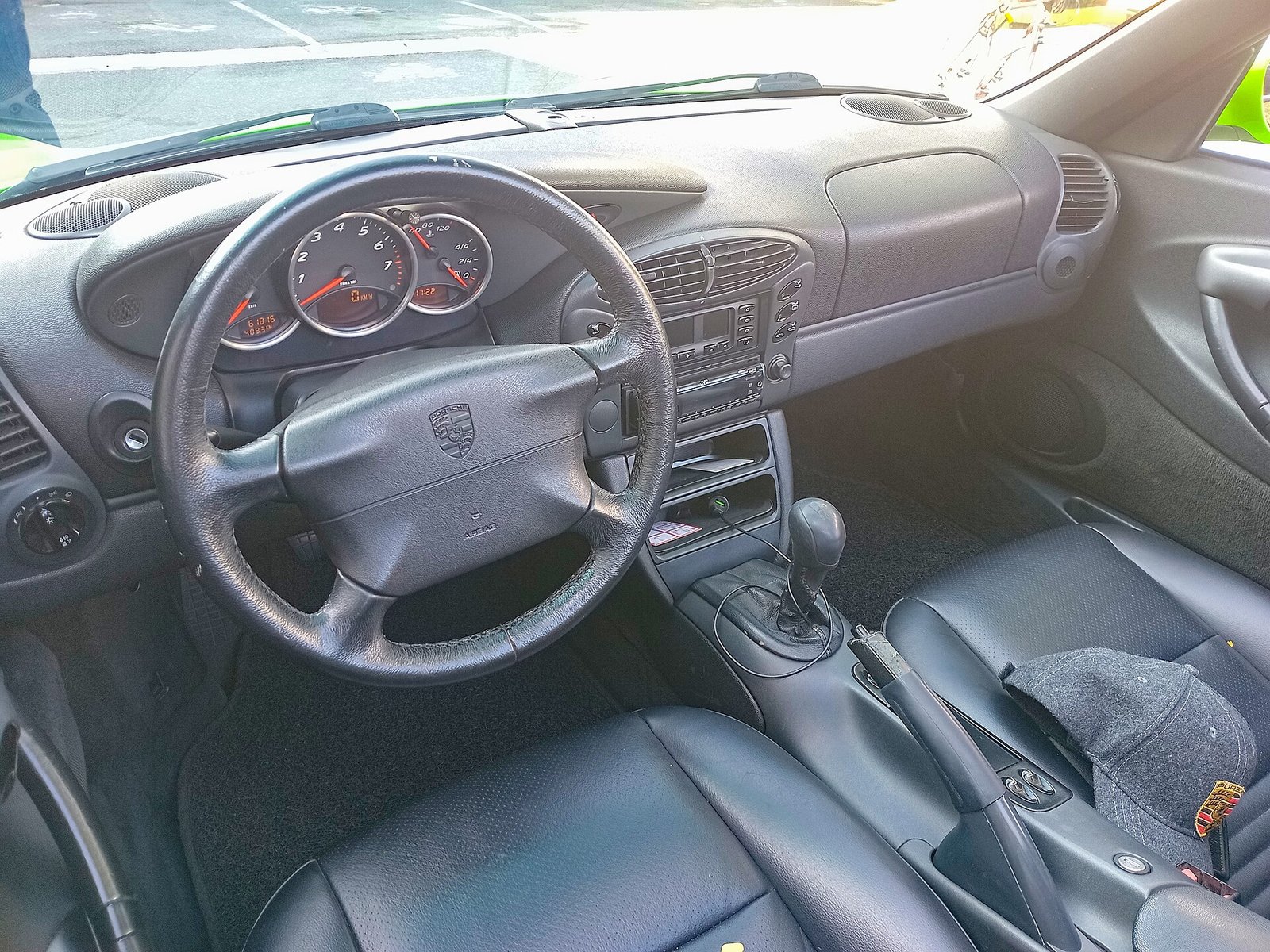
The 987 that replaced the 986 in 2005 is the obvious cross-shop. It is a better car in the ordinary ways — more power, a much-improved cabin, sharper styling and rounder headlights in place of the 986’s “fried egg” units. But it uses the same family of M96/M97 engines, so early 987s carry the identical single-row IMS risk; only from 2006 did Porsche fit a larger bearing, and that one is sealed into the engine and cannot be easily retrofitted. In other words, the IMS conversation doesn’t disappear with a 987 — it just changes shape.
For pure value the 986 wins comfortably: you get 90% of the experience for meaningfully less money, and the earliest cars have a period charm the 987 lacks. Choose a 986 if you want the most driving thrill per pound and don’t mind an older interior; step up to a 987 if you want a plusher, newer-feeling car and can absorb the higher entry price.
The alternatives
If the running costs give you pause, the honest alternative is a Mazda MX-5 — less power and less badge, but a fraction of the maintenance risk and every bit as joyful on the right road; it and the mid-engined Toyota MR2 both feature in our roundup of the best JDM cars under £10k. For something closer in spirit and price to the Boxster, a BMW Z4 offers straight-six muscle and modern usability, while an Audi TT roadster trades outright thrill for build quality and all-weather ease. None of them, though, gives you a mid-engined flat-six and a Porsche crest for Boxster money. That combination is the 986’s trump card.
Frequently asked questions
How common is IMS bearing failure really?
Far less common than the internet implies. Evidence from the US class-action lawsuit points to roughly a 1% failure rate on the early dual-row bearing (1997–1999 cars) and about 8% on the single-row bearing used on later 986s — and that 8% figure was measured under warranty, so it captures the worst-case early failures. Even taking the pessimistic number, more than nine in ten engines never suffer it, and a car that has survived to 2026 on its original bearing has already beaten the odds.
Should I get a borescope inspection before buying?
Yes — a proper pre-purchase inspection by a Porsche specialist is the best money you’ll spend. A borescope passed into the cylinders reveals bore scoring you can’t otherwise see, and a good inspector will also check the oil and filter for the metallic “glitter” that can signal a tired bearing, look for coolant intermix, cycle the roof and check for damp electronics. On a car this cheap to buy but this expensive to repair, skipping the inspection is a false economy.
986 vs 987 — which should I buy?
Buy a 986 for value: it delivers most of the experience for noticeably less, and early cars have real modern-classic appeal. Step up to a 987 for a plusher interior, more power and a newer feel — but remember early 987s share the same single-row IMS risk, and the later 2006-on bearing can’t be easily retrofitted. The generation gap is about polish and price, not fundamental driving joy.
Are Boxster 986 prices rising?
Slowly, and only at the top. The best cars — low-mileage manual S models and exceptional early 2.5s — are firming as the market reappraises them, but the bulk of usable 986s remain a genuine bargain in mid-2026, with tidy cars around £7,000–£12,000. Treat one as a car to enjoy rather than an investment.
Is a 986 expensive to maintain?
It is cheap to buy but still a Porsche to run. Independent specialists keep costs sane — roughly £350 for a minor service and £750 for a major — but big jobs bite: budget around £900–£1,200 for a clutch (do the IMS bearing and rear main seal at the same time) and similar for other major work. Buy the best-maintained car you can and the ownership maths works; buy the cheapest and it rarely does.
Manual or Tiptronic?
Manual, for most buyers. The five-speed (six on the S) is central to why a Boxster feels special, and manual cars are more desirable and easier to sell. The Tiptronic automatic is durable and fine for relaxed use, but it dulls the car’s greatest asset — and it typically costs a little less to buy, which tells you how the market values it.
The verdict
The Boxster 986 is proof that the internet’s loudest fear and the smart buyer’s best opportunity are often the same thing. Yes, the IMS bearing is real; no, it should not stop you, because the risk is rare, understood, priced-in and fixable. What you get in return is one of the great affordable sports cars: mid-engined balance, a flat-six behind your shoulders, and the exact hardware that saved Porsche and underpinned a 911. Buy on history, get it inspected, sort the bearing at clutch time, and enjoy the cheapest ticket into proper Porsche ownership there is.
Ready to find your Boxster?
Browse live Boxster and Porsche listings with real sold prices alongside them.
Free checklist: The Classic Car Buyer’s Inspection Checklist
Print it and take it to the viewing — rust hotspots, MOT-history red flags, paperwork and the 8 walk-away signs. Enter your email and we’ll send you the PDF.
More from the Journal
All guides ›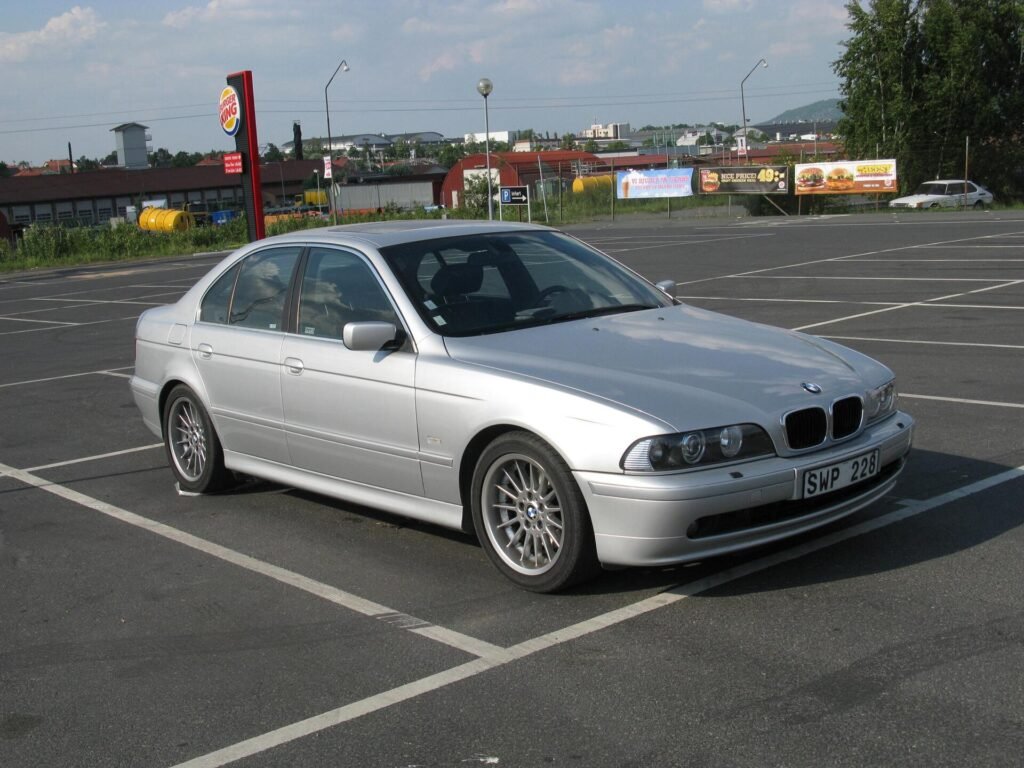
BMW E39 5 Series Buying Guide: The Best Modern-Classic Saloon You Can Still Afford
The definitive UK guide to buying a BMW E39 5 Series — best engines, verified common problems, Sport vs SE, Touring quirks, and what E39s cost in 2026.
Read the guide →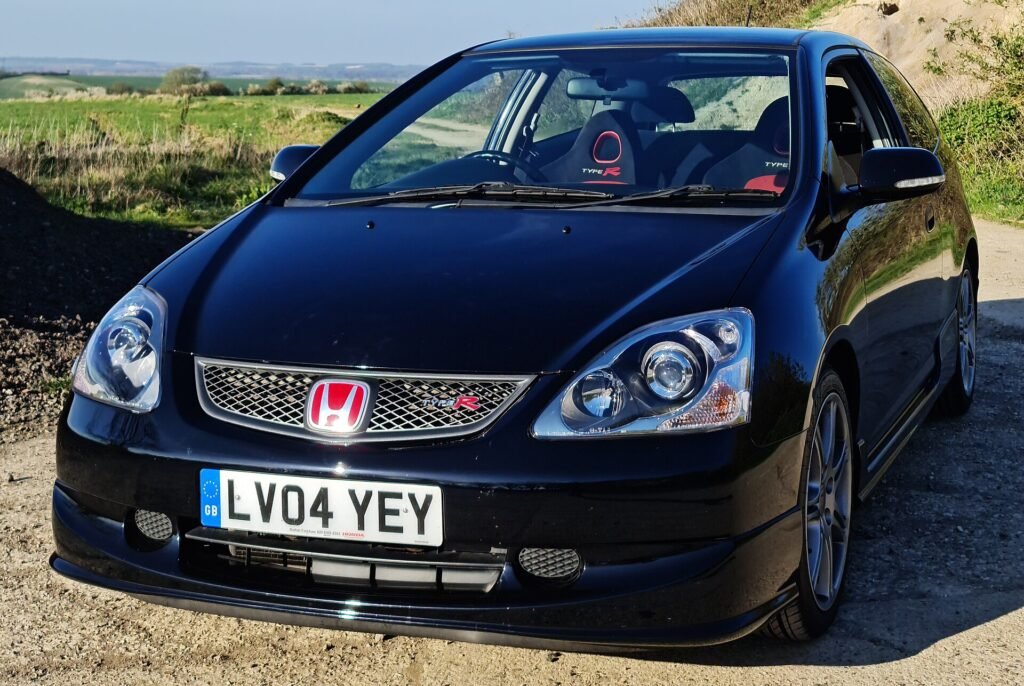
Honda Civic Type R EP3 Buying Guide: Prices, Problems and What to Look For
Everything you need to buy a good Civic Type R EP3: verified common problems, what they cost in 2026, UK vs JDM imports, best years, and the checks that actually matter.
Read the guide →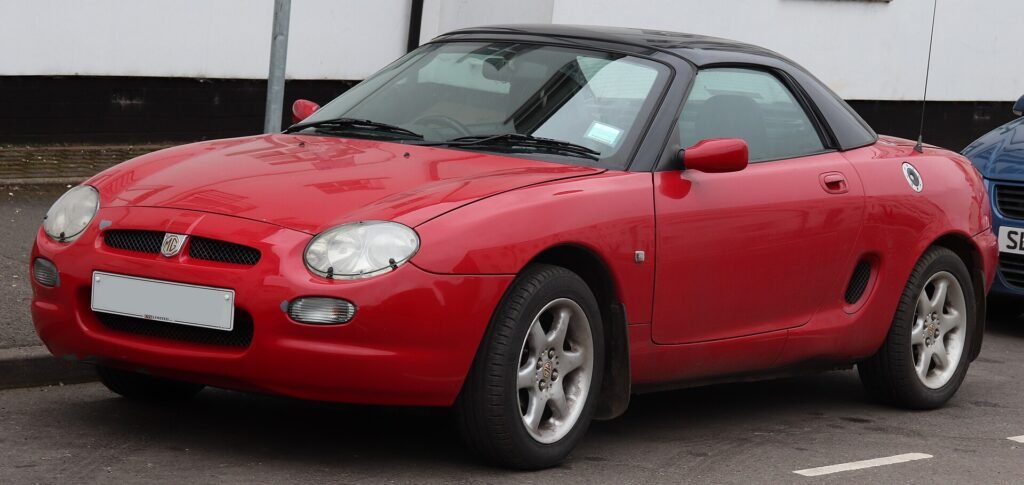
MGF and MG TF Buying Guide: Head Gaskets, Real Prices and Britain’s Cheapest Mid-Engined Sports Car
MGF or MG TF? What they really sell for in 2026, whether the head gasket problem is actually solved, VVC vs Trophy 160, Hydragas vs coils, subframe rust and everything to check before you buy.
Read the guide →