There’s a moment, usually in a supermarket car park, when it hits you. You’re walking back to a thirty-year-old Mercedes with a bag of shopping, and it’s sitting there among the grey crossovers looking like the only car in the postcode with a face. Somebody’s left a note under the wiper: “Lovely old thing. Is it for sale?” Your monthly transport cost is a tank of fuel and a set of points. The chap in the Qashqai next to you is £400 a month into a PCP he’ll have nothing to show for.
That’s the dream version. The other version is a dark Tuesday in February, third attempt on the key, one hand on the choke, windows fogging faster than a kettle, while the heated-everything moderns stream past with their occupants in shirtsleeves. Daily driving a classic car is both of these things, sometimes in the same week.
We spend our days tracking what old cars actually sell for, so this is the honest version: what it really costs, the insurance mistake that catches people out, and the cars that genuinely cope with modern traffic — not just the ones that look good in a listicle.
Quick answer: Yes, you can daily drive a classic — thousands of people do — but pick a car with a strong parts supply, budget for fuel and maintenance rather than depreciation, and check your insurance first: many classic policies are limited-mileage, agreed-value products designed for occasional use, and daily commuting on one can leave you without valid cover.
The honest case for — and against
The case for a classic car as a daily driver is stronger than it’s been in years, and it’s mostly financial. A well-bought classic doesn’t depreciate. Read that again, because it’s the whole argument: the single biggest cost of running a modern car — the value that evaporates the moment you drive it away — simply isn’t there. Your money is parked, not burned. Some of it may even grow. Meanwhile the 40-year rule keeps rolling forward, handing older cars free road tax, optional MOTs and ULEZ exemption, and a whole cohort of 1980s and ’90s cars has crossed, or is about to cross, that line.
Then there’s the soft stuff, which is really the hard stuff: you’ll actually enjoy your commute. Old cars have unassisted steering that talks to you, engines with personalities, and a knack for turning a fuel stop into a twenty-minute conversation. Nobody has ever asked a Puma-driving stranger about their finance terms.
Now the case against, delivered without anaesthetic. Older cars are slower to stop — drum brakes and early servos need a firmer shove and more road than the ABS-equipped hatchback behind you expects. There are no airbags in most of them, no crumple-zone cleverness beyond what the era offered, and crash safety has moved on enormously since 1990; that’s not a reason to stay home, but it’s a fact worth owning. Heaters range from adequate to theoretical. Carburettors sulk on damp mornings. Six-volt electrics (if you go really old) make winter starting a spectator sport. And a classic will, occasionally, simply not go — usually on the day of the meeting you couldn’t move.
Our view, plainly labelled as opinion: the misery is front-loaded. Sort the known weak points in the first few months — cooling, ignition, brakes, tyres — and a good classic settles into a routine that’s more dependable than its reputation. But “dependable” is earned with spanners or invoices, never assumed.
What daily driving a classic really costs
Forget the romantic fog. Running a classic car’s costs break into five headings, and they behave very differently from a modern’s.
Purchase
Usable daily classics span everything from four-figure Volvos to five-figure fast Fords, and condition is everything: the cheapest car is almost never the cheapest car. Buy the best-maintained example you can find rather than the shiniest — a thick folder of receipts beats fresh paint every time. Browse what’s actually on the market on Old Bangers’ live listings and watch sold prices for a few weeks before you commit; the gap between asking and selling prices will teach you more than any guide.
Fuel
Here’s where the modern wins, no contest. Most petrol classics from the ’70s to the ’90s are thirstier than an equivalent modern car — smaller-engined, fuel-injected cars from the late ’80s onwards are the least painful, while carburetted machinery and anything big, heavy or turbocharged will make you wince at motorway pace. We won’t quote you mpg figures, because a thirty-year-old engine’s real-world thirst depends more on its tune and your right foot than any period brochure claim. Budget generously and be pleasantly surprised. Many older engines also prefer, or require, E5 super unleaded rather than standard E10 — more on that below.
Maintenance: DIY or specialist
This is the fork in the road. Classics need more maintenance than moderns — more frequent servicing, more consumables, more small jobs — but each job is vastly simpler. On most pre-2000 cars you can see the ground through the engine bay, and a socket set, a Haynes manual and a Sunday afternoon will handle servicing, brakes and most electrical gremlins. If you DIY, running costs can undercut a modern car’s dealer servicing by a wide margin. If every job goes to a specialist, budget for labour the way you’d budget for a hobby — because at that point it is one.
Parts availability
The single most underrated factor in choosing a daily classic. A car with a strong club scene and remanufactured parts supply — MGB, Beetle, Mini, W124 Mercedes, classic Saabs with their devoted specialists — can be kept alive indefinitely at sane cost. A car whose maker vanished and whose club is three men and a newsletter will strand you for weeks waiting for a second-hand relay from Bremen. Before you buy anything, spend an evening pricing a clutch, a water pump and a front wing for it. That exercise has talked more people out of bad ideas than any forum thread.
Depreciation: the killer argument
A new or nearly-new car on finance costs you twice: the payments, and the depreciation baked into them. A sorted classic bought at market price typically costs you neither. Values of good usable classics have historically held steady or drifted upward over an ownership term — that’s the pattern we see across the sold-price data we track, though no individual car is guaranteed to follow it. Run the numbers over three years and a classic that needs £1,000 of annual fettling can still comfortably undercut a modern that “never goes wrong” but quietly sheds thousands in value. The classic’s costs are visible and annoying; the modern’s are invisible and larger.
| Cost head | Modern car (bought new / on finance) | Well-chosen classic |
|---|---|---|
| Depreciation | The biggest single cost, hidden in the payments | Typically none; some cars appreciate |
| Fuel | Efficient | Thirstier, and often super unleaded |
| Servicing | Infrequent, expensive, dealer-locked | Frequent, cheap, DIY-friendly |
| Road tax (VED) | Payable | £0 once 40+ and registered historic |
| Insurance | Standard policy | Often cheaper — but read the next section |
| Surprises | Rare but big (electronics, batteries) | Common but small (and fixable) |
The insurance trap: read this before you commute
This is the section that earns this article its keep, because it’s the mistake we see people walk into with total confidence.
Classic car insurance is famously cheap, and it’s cheap for a reason: it’s a different product. Specialist classic policies are typically agreed-value, limited-mileage contracts designed around occasional use. Hagerty UK, for example, states its classic policies “are based on an annual limit of up to 5,000 miles per year”. Footman James describes its policies as “designed for occasional use, covering activities like car shows, special events, or leisurely drives”, with mileage restrictions to match. Adrian Flux likewise offers lower premiums where you “agree a lower annual mileage” for a classic “likely to be used on an occasional basis”.
Now do the arithmetic. A modest 15-mile each-way commute is roughly 7,000 miles a year before you’ve driven anywhere for fun. That sails past a typical classic-policy mileage cap — and exceeding your declared limit, or using the car in a way your policy class doesn’t cover, can leave you with reduced or no cover exactly when you need it.
The second half of the trap is the class of use. UK policies distinguish “social, domestic and pleasure” (SDP) — shopping, visiting family, driving for the sake of it — from “SDP plus commuting”, which adds travel to a fixed place of work or study. Many classic policies are written SDP-only by default. If your certificate says SDP and you’re doing the school run to the office five days a week, you’re not covered for those journeys, agreed value or not.
None of this means daily driving is uninsurable. It means the £90 club-scheme premium and the daily commute usually can’t coexist. Honest declared use costs a little more and is worth every penny the day someone reverses into you.
The practical stuff: tax, MOT, ULEZ, fuel and winter
Tax and MOT. Once a car passes 40 years old it can go tax-free and MOT-exempt — but neither happens automatically, the two exemptions run on different dates, and there’s a ULEZ wrinkle that catches people every week. We’ve covered the whole system in our guide to the 40-year rule, so we won’t repeat it here; the headline for daily drivers is that a 40-plus classic in the historic tax class costs £0 a year in VED and enters London’s ULEZ free, which transforms the sums for anyone commuting into town.
ULEZ if your classic is younger than 40. A 1996 Volvo is not exempt from anything. If you live in or drive into a charging zone, a pre-2001 petrol car will generally fail the emissions standard and pay the daily charge — check the specific city’s scheme, and read the same guide for how the historic-class exemption works when the car does qualify.
Fuel: the E10 question. Standard unleaded has been E10 (up to 10% ethanol) since 2021, and ethanol can attack the rubber and fibreglass fuel components and absorb water in ways older systems weren’t designed for. The government runs an official E10 compatibility checker — though it admits many classic marques aren’t listed — and its guidance for incompatible and classic vehicles is to use E5 “super” grade (97+ octane), which remains available at filling stations selling two petrol grades. For a daily driver that’s an extra cost worth building into your budget; owners’ clubs are the best source of model-specific advice.
Winter and salt. Rust killed more of these cars than crashes ever did, and UK councils spread the murder weapon on every A-road from November to March. If you’re going to daily a classic through winter: get the underside professionally cleaned and treated with a cavity wax and underbody protection before the salt goes down, rinse the underside and arches regularly through the season, and fix paint chips before they bloom. Some owners run a winter set of steel wheels and cheap tyres and save the good ones. The hair-shirt alternative — laying the car up from November to March — rather defeats the purpose of a daily, which is why the cars in the next section were chosen partly for their resistance to dissolving.
The best classics to daily drive: eight honest choices
Criteria: proven mechanical toughness, parts you can actually buy, the ability to keep up with (and stop among) modern traffic, and enough character to justify the whole exercise. Every one of these links to its live market page, so you can see what’s for sale and what’s been selling.
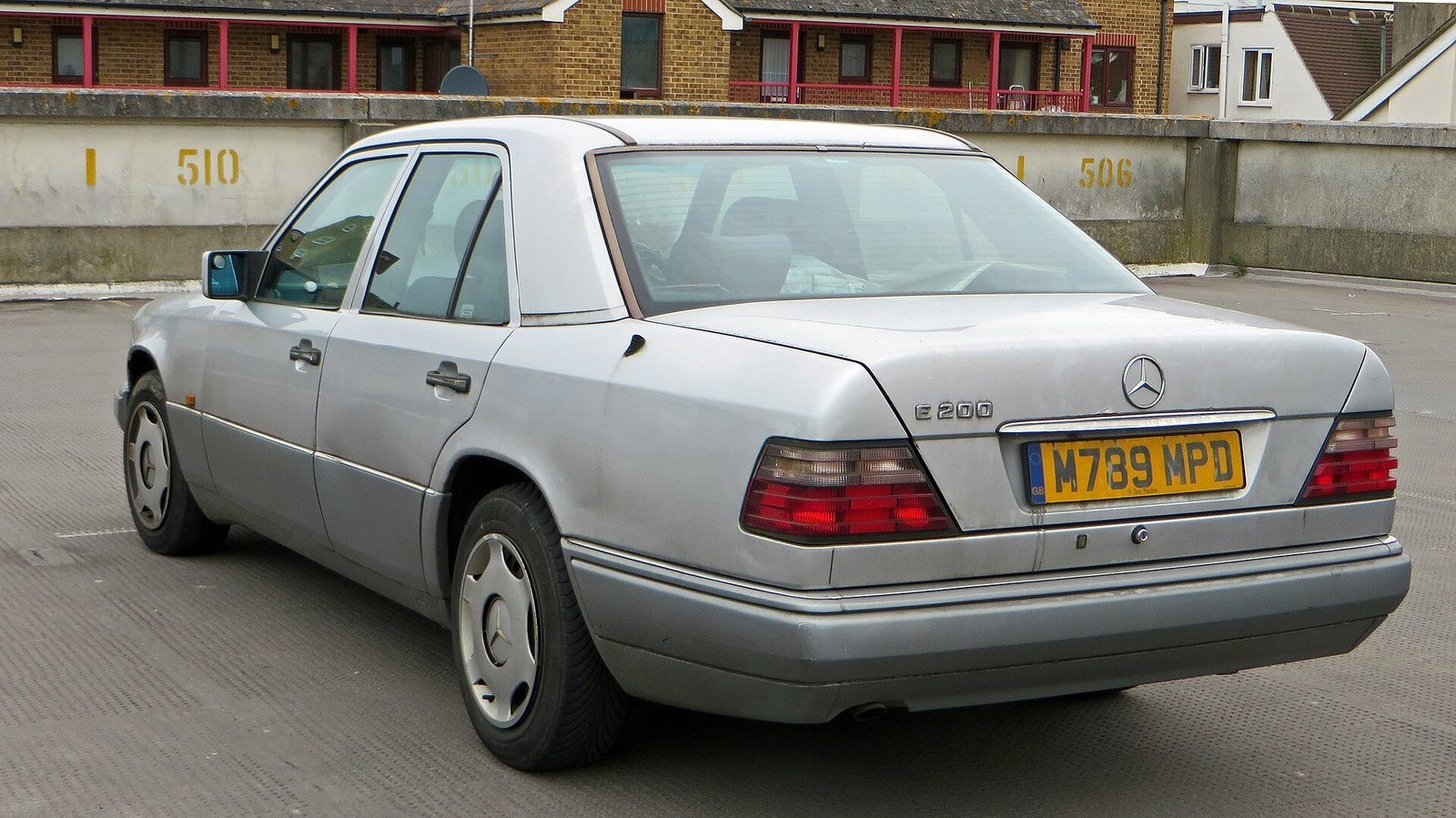
Mercedes-Benz W124 (1984–1996)
The daddy. The W124 E-Class was developed when Mercedes engineered to a standard rather than a price, and its reputation for indestructibility is one of the best-documented in motoring — these were the world’s default taxi for a reason, and huge-mileage examples are unremarkable. Saloon, estate, coupé or cabriolet; petrol or diesel; almost all of them over-built. Parts supply through Mercedes and the specialist scene remains excellent, and it drives with a solidity nothing modern quite replicates. If one car on this list could genuinely be your only car, it’s this. Watch for rust (later cars especially) and neglected examples masquerading as cherished ones — see what W124s are selling for.
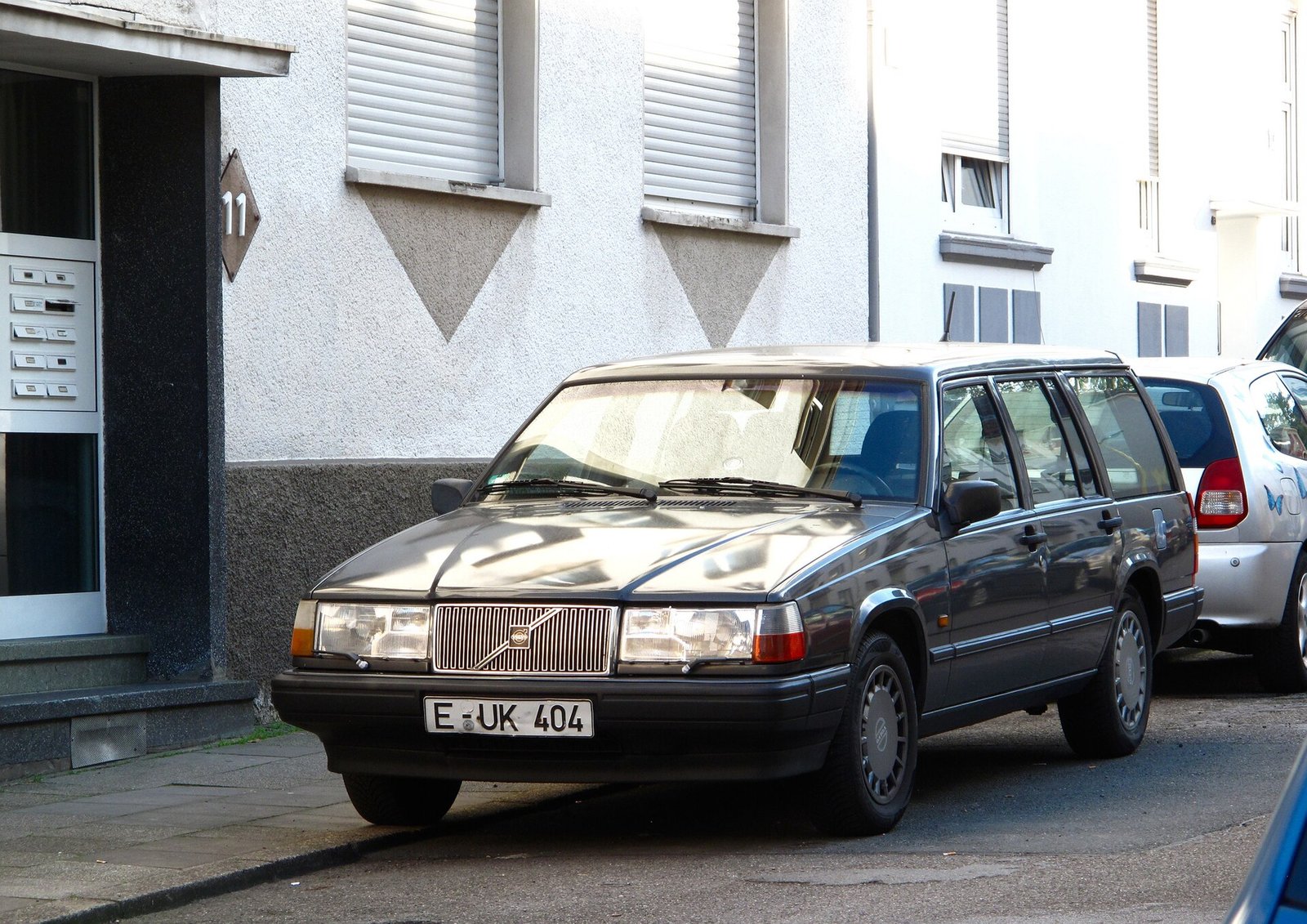
Volvo 940 (1990–1998)
A rear-driven brick with a sofa in each row and a ballroom in the back. The 940’s “redblock” B230 four-cylinder is one of the great unburstable engines — simple, understressed and endlessly rebuildable — and the whole car is engineered for Swedish winters and indifferent owners. It is not fast and it does not care. As a daily it offers galactic practicality, cheap parts shared across decades of Volvos, and the smug serenity of a machine with nothing left to prove. The estate will move house contents that defeat modern SUVs — browse the Volvo market.
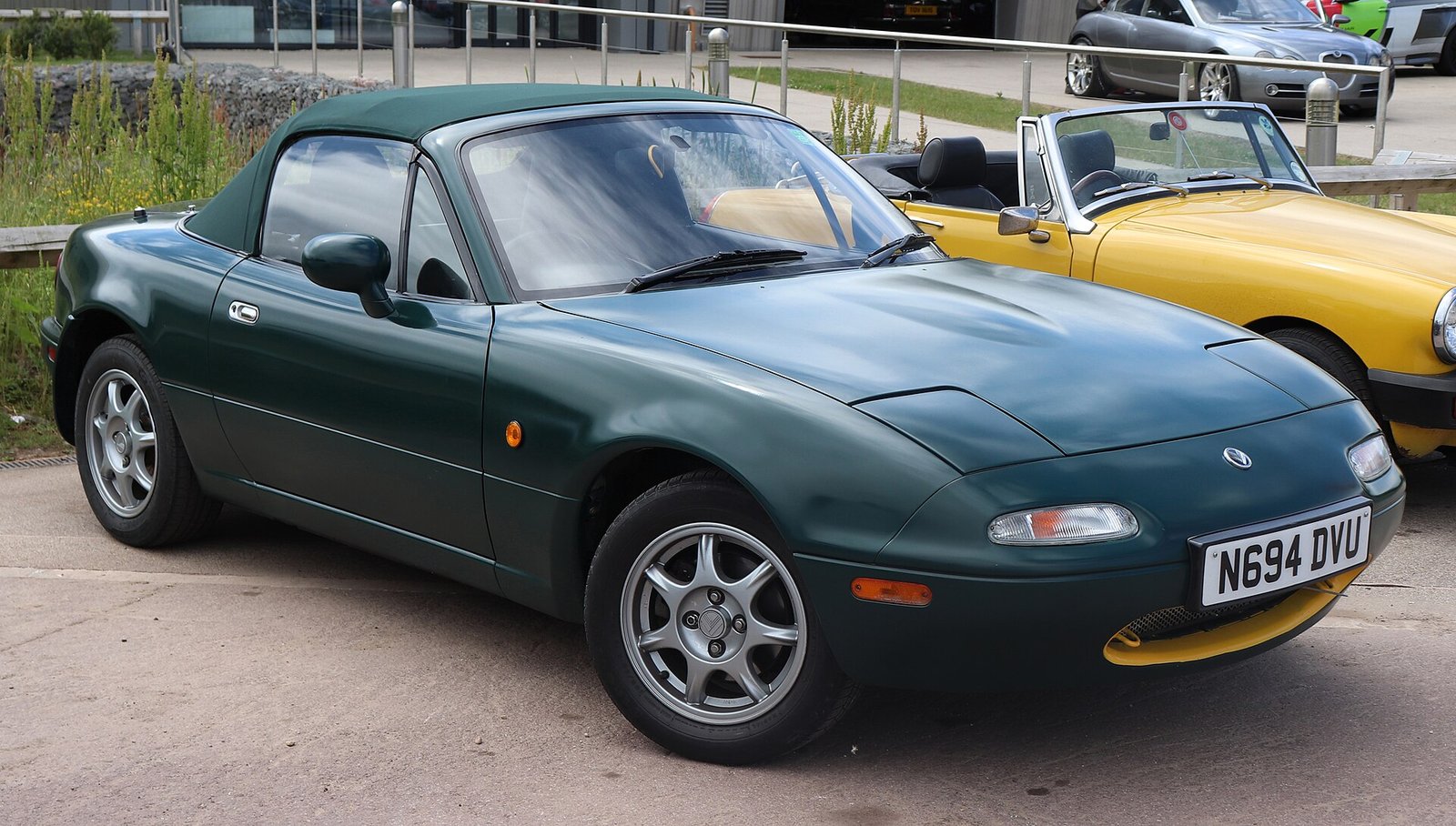
Mazda MX-5 Mk1 & Mk2 (1989–2005)
The cheat code. The MX-5 gives you the full classic-roadster experience — pop-up lights on the Mk1, perfect steering, a gearbox like a bolt-action rifle — with Japanese build quality underneath. Mechanically these things just work, daily, in a way a British roadster of the same silhouette never quite managed. The one big vice is rust: sills and rear arches rot from the inside, and it’s the first, second and third thing to check on any car. Find a solid one, keep it protected, and it’s the cheapest grin-per-mile on sale. Two seats and a boot the size of a picnic hamper are the only running costs your lifestyle needs to cover — check the Mazda market.
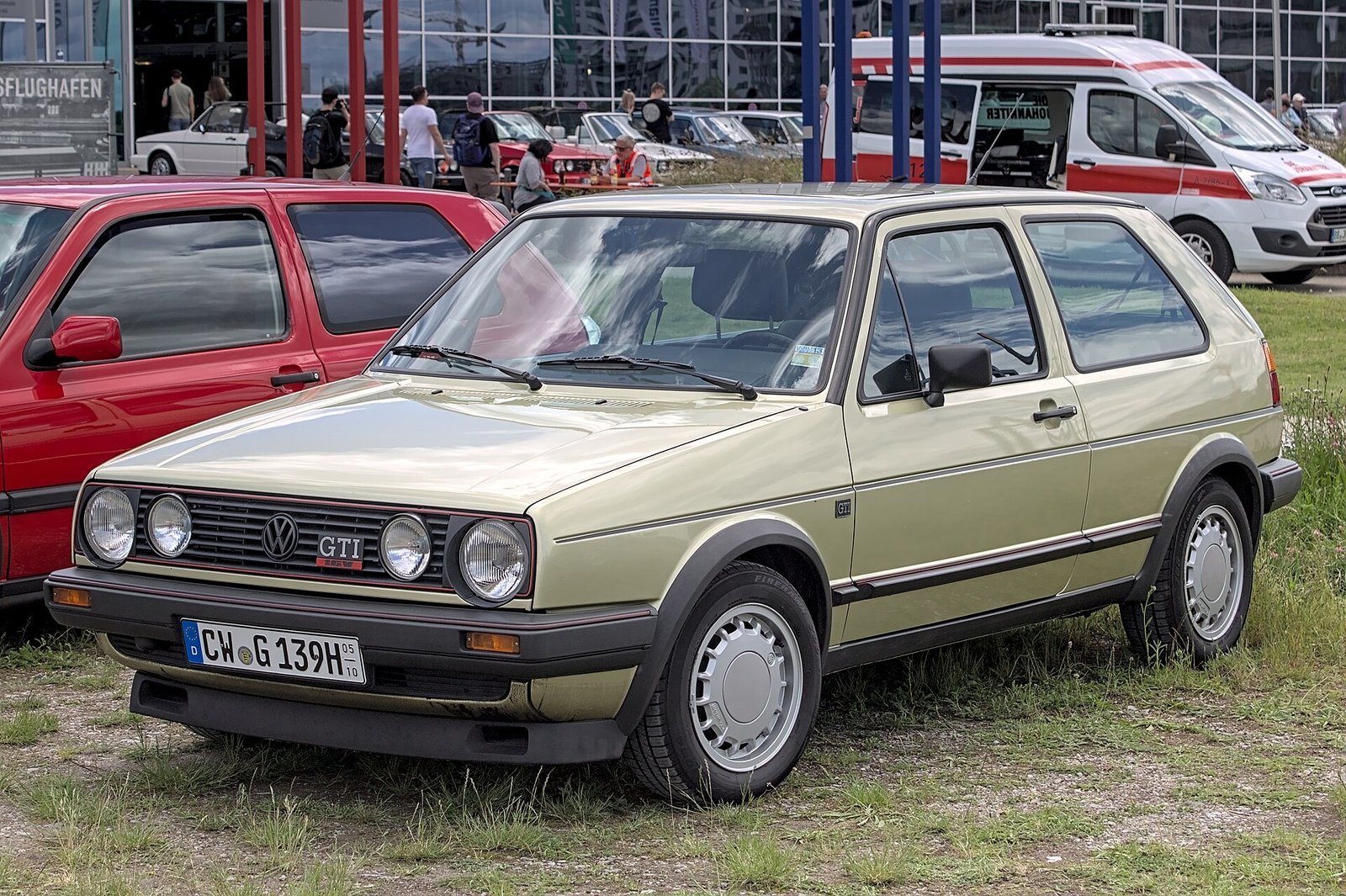
Volkswagen Golf GTI Mk2 (1984–1992)
The Mk2 Golf GTI is the daily-classic sweet spot from the hot-hatch golden age: enough performance (8v for torque and ease, 16v for fizz) to live happily in modern traffic, build quality that made period rivals feel disposable, and a hatchback body that swallows real life. These were engineered to be used hard and many have been, so history matters more than mileage. The enthusiast scene is enormous and parts support is strong. Prices for the best cars have climbed well beyond banger money, which is the market telling you what we’re telling you: it’s that good — see Volkswagen listings and sold prices.
Rover 75 (1999–2005)
Stop laughing at the back. The 75 was the best car Rover built in decades — genuinely refined, beautifully trimmed, and comfortable in a way that shames cars costing ten times its current price. The known catch is the K-series head gasket on 1.8 petrols, a well-documented failure with equally well-documented permanent fixes; buy one already sorted with the uprated parts, or pick the BMW-sourced diesel and sidestep it entirely. As a daily it’s the value play of this list: modern-classic charm and wafting comfort for the price of a cheap holiday, and the market is beginning to notice the good ones — watch the Rover market.
Saab 900 / 9-3 (1978–2002)
For the individualists. A classic 900 Turbo gives you aircraft-adjacent design, a cabin built around the driver, and turbocharged shove that still feels like an event; the later 9-3 gives you most of the character with more modern manners and lower prices. Saab is long gone, but here’s the counterintuitive bit: parts support is genuinely good, because the parts operation outlived the company and the owners’ club scene is among the most devoted anywhere. Front-wheel drive, big heaters and famously good seats make them proper winter dailies — Swedes, again — and nothing else in the office car park will have door handles like it. Browse the Saab market.
BMW E39 5 Series (1995–2004)
Regularly and plausibly called the best saloon of its era, the E39 is the modern-classic daily for people who do big miles: hushed, beautifully balanced, and available with everything from thrifty sixes to the 4.4 V8 you’ll pretend you’re not considering. The engines are strong; the honest weak point is the cooling system — plastic expansion tanks, water pumps and radiators are service items to replace preventatively, not gamble on — plus the usual suspension bushes on high-milers. Do that and an E39 will commute with a serenity that embarrasses new executive saloons. Values of the best cars are already moving — see BMWs for sale and sold.
Honda Civic Mk6 (1995–2000)
The stealth pick. Nobody hangs a poster of a standard EK-generation Civic, but as a device for starting every morning for thirty years it has few equals: Honda’s engineering reputation from this period borders on folklore, and buyers’ guides mostly consist of “check it hasn’t been thrashed by a teenager”. Light, economical by classic standards, cheap to service, and increasingly recognised as a modern classic — the sporty versions have already been dragged upmarket by collectors, but honest cooking models remain attainable. The definition of getting the daily-classic experience without the daily-classic anxiety — check the Honda market.
Do the homework with live data
Old Bangers tracks live listings and recorded sold prices for exactly these cars across auctions and marketplaces — so before you commit to a daily classic, you can see what’s for sale today and what real cars have actually made:
Mercedes-Benz · Volvo · Mazda · Volkswagen · Rover · Saab · BMW · Honda — or search everything live right now.
Frequently asked questions
Can a classic car be a daily driver?
Yes, provided you choose a model with strong parts availability and mechanical toughness, keep on top of preventative maintenance, and insure it for the use you’re actually making of it. Late-’80s to ’90s cars with fuel injection are the easiest to live with; pre-’70s cars demand more commitment. The main adjustments are planning for more frequent (but simpler) maintenance and driving to the car’s braking abilities rather than modern traffic’s.
Is a classic cheaper to run than a modern car?
Often, yes — but only because of depreciation. A classic costs more in fuel and maintenance, but a well-bought one loses little or no value, while a new car’s depreciation dwarfs every other cost of ownership. Add £0 road tax for 40-plus cars in the historic class and cheap DIY servicing, and total cost of ownership frequently favours the classic — if you avoid a rusty or neglected example, which can consume money at a rate no PCP can match.
Does daily driving affect classic car insurance?
Significantly. Specialist classic policies are typically agreed-value, limited-mileage products — Hagerty UK, for instance, bases its classic policies on an annual limit of up to 5,000 miles — and many are written for social, domestic and pleasure use only, excluding commuting. Daily commuting can breach both the mileage cap and the use class, jeopardising your cover. Tell your insurer exactly how you’ll use the car and get a policy that matches; check your certificate’s class of use and mileage limit today if you’re unsure.
Which classics are most reliable for daily use?
The consistent reputations: Mercedes W124, Volvo 740/940, Mazda MX-5, Mk2 Golf, classic Saabs, BMW E39 and 1990s Hondas and Toyotas. The pattern is cars that were over-engineered when new, sold in large numbers, and still enjoy strong parts and club support. Condition trumps badge, though — a cherished example of a mediocre car beats a neglected example of a great one.
What about winter and rust?
Salt is the daily classic’s real enemy. Have the underside cleaned and treated with cavity wax and underbody protection before winter, rinse the underside and wheel arches regularly through the salting season, and deal with paint damage promptly. Many owners fit a cheap winter wheel-and-tyre set. Rust-resistant choices (galvanised-era Volkswagens, well-protected Mercedes, Swedish cars) suffer least; an MX-5’s sills need watching like a hawk.
The verdict
Daily driving a classic is a trade: you accept more involvement — more maintenance, more fuel, more planning, the occasional heroic failure — in exchange for near-zero depreciation, £0 tax on the older stuff, and the daily use of something with an actual soul. For the right person with the right car and the right insurance certificate, it’s not just viable; it’s the best-value interesting motoring available in Britain. The wrong car, insured wrongly and bought rusty, is a cautionary tale you’ll dine out on for years. The difference between the two outcomes is nothing but homework — and the homework, honestly, is the fun part.
Ready to find your daily classic?
Every enthusiast car on the UK market, with real sold prices alongside — so you know what “well bought” actually looks like.
Free planner: Classic Car Running Costs & Budget Planner
Every cost of ownership, a fill-in annual planner and 7 ways to cut the bill. Enter your email for the PDF.